Guest-guided hotel insights
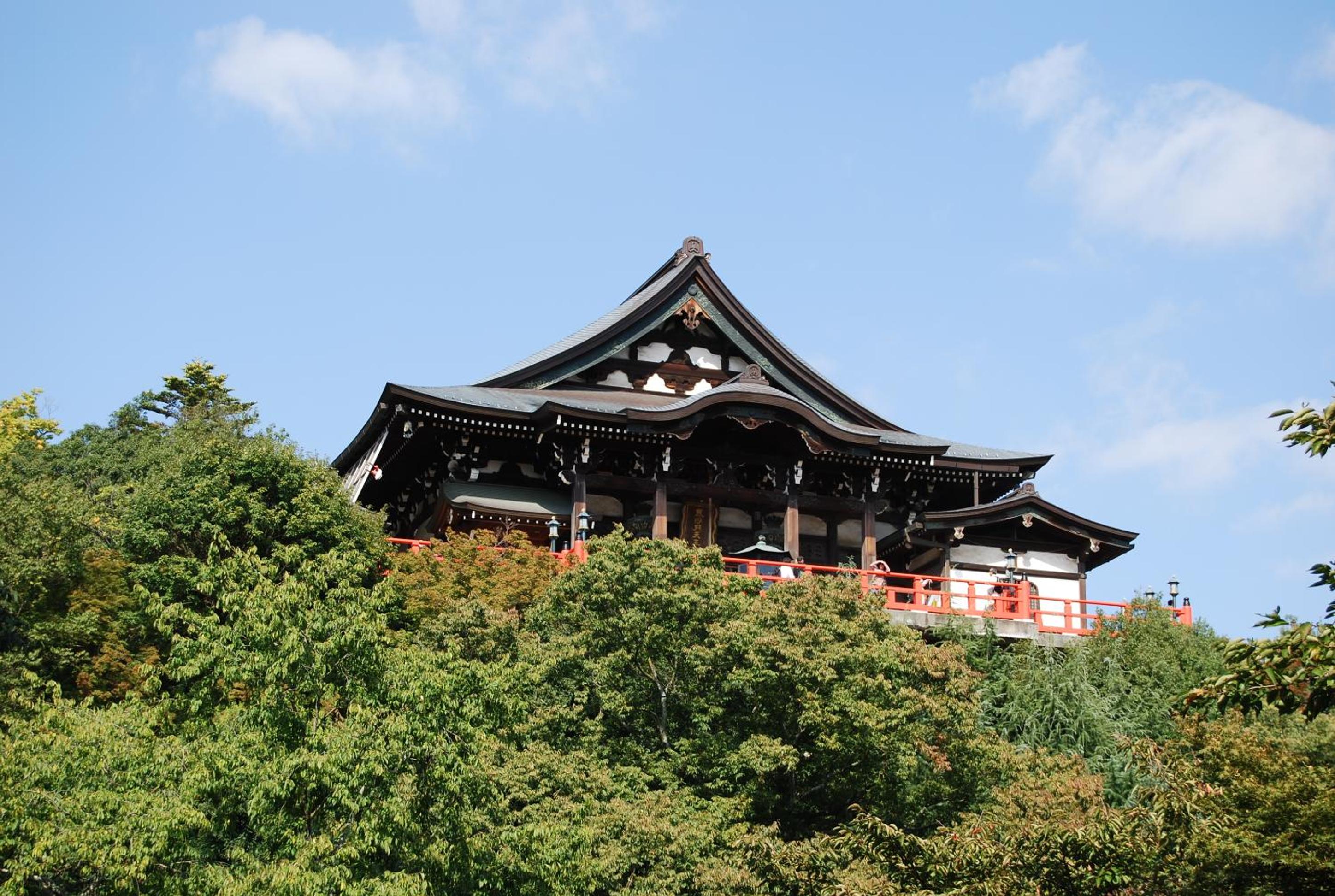
Gyokuzoin
Based on public data
This hotel has little guest-verified firsthand data yet. 0 reports; thin data, conclusions stay cautious. High-value questions (upgrades, lounge, breakfast) stay marked insufficient — we label thin data, we never fabricate.
Contribute a stay report06External scores · reference only, not verified
External aggregates never count as verified, and this page never shows a price.
Rooms & Views
Featuring views of the garden with seasonal flowers and trees, this traditional Japanese-style room features a tatami (w…
Featuring views of the garden with seasonal flowers and trees, this spacious traditional Japanese-style room features a…
Featuring views of the garden with seasonal flowers and trees, this traditional Japanese-style room features a tatami (w…
Featuring views of the garden with seasonal flowers and trees, this traditional Japanese-style room features a tatami (w…
The unit offers 2 futons.
T2 · Official booking system. Actual features may vary.
Restaurants nearby
- Noto Toto Teuchisoba TabikiBib Seiji Matsushima grows crops and makes pottery. He doesn’t just knead earth, though, he also kneads soba. The thin juwari soba set out on dishes he made himself exudes rusticity and the way of life of a self-described farmer. He grows the buckwheat berries for the sobagaki himself. Basil picked in the field in the summer is served with soba topped with a thick dashi-rich sauce, and winter yuzu is served with hot soba. Grated daikon is used in place of wasabi.5.5km
- Oryori Hanagaki★★ Michelin This house, surrounded by bamboo, welcomes only one party per day. The refined gate, elegant room and tasteful garden are all the work of the proprietor. Devotion is paid to every aspect of cuisine and service in the spirit that each meal is a once-in-a-lifetime encounter. Meals incorporate seasonal flavours from across Japan. To convey the proprietor’s feelings for the food directly, ingredients are brought to the table and sometimes even prepared before guests’ eyes. Western ingredients are also used, charming diners with creativity beyond Japanese cuisine.12.0km
- YAMAOKA PIZZABib This restaurant on Mt. Ikomayama overlooks the city. The Italy-trained chef bakes pizzas with his own original take. The key to the taste is Ikoma spring water – the water’s sweetness and softness give the pizza real character. Made using less salt compared to the Italian recipe, the crust has a uniquely fluffy texture. The standard offering is margherita pizza made with vegetables from a local farm. Have your fill of Ikoma pizza you won’t find in Naples or Rome. It’s closed for the month of February.7.0km
- Lega'★ Michelin The chef prizes his relations with food producers; the better to express the appeal of each region’s topography. Lega’ means ‘bind’ or ‘connect’: the restaurant binds together the food cultures of Italy and Nara and puts diners in touch with the thoughts of food producers. Sushi of uncured ham and persimmon leaf, venison senbei—a dish resembling Nara’s famous deer crackers—and other unique items overlay one tradition onto another. The chef honed his skills in Italy’s Piemonte region, which is why he devotes himself to making hand-rolled pastas such as tajarin and agnolotti in autumn and winter12.1km
- Ajinotabibito Roman★ Michelin The chef here is a culinary master who never sways from his devotion to his craft. His daughters lend their strengths to his efforts, providing gracious service as a family. Bringing the true flavours of ingredients to the fore is the restaurant’s forte. Simple dishes such as boiled vegetables topped with bonito-flavoured soy sauce and vegetables reflect the family’s sincere devotion, embodying the chef’s adage that ‘cuisine reveals the person’. Heartfelt fare that is a true testament of the chef’s nature.13.2km
- Yugen★★ Michelin Yugen means ‘mysterious profundity’, grace whose depths can never be plumbed. It connotes the depths of Japanese cuisine, a product of constant refinement through the ages. Keisuke Mifune puts on display the skills and instincts he honed at a ryotei. He pays attention to combinations of ingredients and dishware, expressing the changing of the seasons through his menu. A Fukuoka native, the chef furnishes the bounty of Kyushu in the form of seafood from the Genkai Sea and the Goto Islands.14.9km
- Sushi Harasho★★ Michelin The stately tea-house interior and Japanese-style painting of the spray from a waterfall enfold guests in an atmosphere of tranquillity. Proclaiming a no-nonsense approach to sushi, the two chefs restrict seasoning and other preparations to the bare minimum. They add no sugar to the sushi rice, the better to draw out the natural sweetness of fish and rice. Tuna is marinated in soy sauce only briefly; conger eel dressed in sauce that is only slightly sweet. As they form sushi by hand, both chefs focus on the basics of rice, wasabi, vinegar and fish.14.9km
- Koikiryori Aji Manso★ Michelin Intent on catering to guests’ every preference, the house restricts service to one party per lunch and one per dinner. For drinkers, there’s a surfeit of bar snacks; for diners, dishes of generous proportions. The chef assembles his omakase set menus with each diner’s preferences in mind. The name “Koikiryori” means ‘chic cuisine’, declaring a free and easy style of cooking. Some dishes incorporate elements of Western cuisine, showing a playful side. Immerse yourself in a once-in-a-lifetime experience, courtesy of a true veteran of the culinary world.13.4km
- A VOTRE SANTEBib A house that would not seem out of place in the French countryside. The white-walled interior is furnished with antiques, swaddled in rustic warmth. The chef polished his culinary skills in the south of France. Dishes are prepared in time-honoured ways and plated simply. Great skill with flame control is seen with the meat preparations, while sauces make lavish use of butter and wine. Enjoy French cuisine prepared the traditional way.9.1km
- Teruya★★ Michelin The owner-chef teases out subtle flavours with a versatile sensibility and technique honed in Kyoto. He takes particular care when blending his dashi. Prepared with a light flavour, it draws out the character of each ingredient. Flavours of other ingredients transfer to the dashi in wanmono, steamed items and takiawase, lending depth to their taste. Preparations are simple, yet unseen tweaks make each item unique. Admire antique serving-ware and vessels fashioned by modern artists as you savour the tastes of the season.15.4km
Includes Michelin / Black Pearl / guide picks (reference quality, no prices); data from Overture, Michelin Guide and others.
Attractions nearby
- Hōryū-ji Temple Buddhist temple in Nara Prefecture, Japan5.9km
- Buddhist Monuments in the Hōryū-ji Area World Heritage Site in Nara Prefecture, Japan5.9km
- Tatsuta Shrine Shinto shrine in Nara Prefecture, Japan2.4km
- Hokki-ji Temple Buddhist temple in Nara Prefecture, Japan7.1km
- Mount Ikoma mountain in Osaka and Nara Prefecture, Japan7.7km
- Yakushi-ji Temple Buddhist temple in Nara Prefecture, Japan12.4km
- Osaka Castle Japanese castle in Chūō-ku, Osaka, Japan15.8km
- Hanazono Rugby Stadium rugby football venue in Higashiosaka, Japan7.7km
Attraction data from Wikidata (CC0) — reference only.
Related community discussion
Start a discussionCommunity posts are member discussion. They are not used as verified records until separately reviewed.
No related posts yet
Start the first public discussion for this hotel or its program.