Guest-guided hotel insights
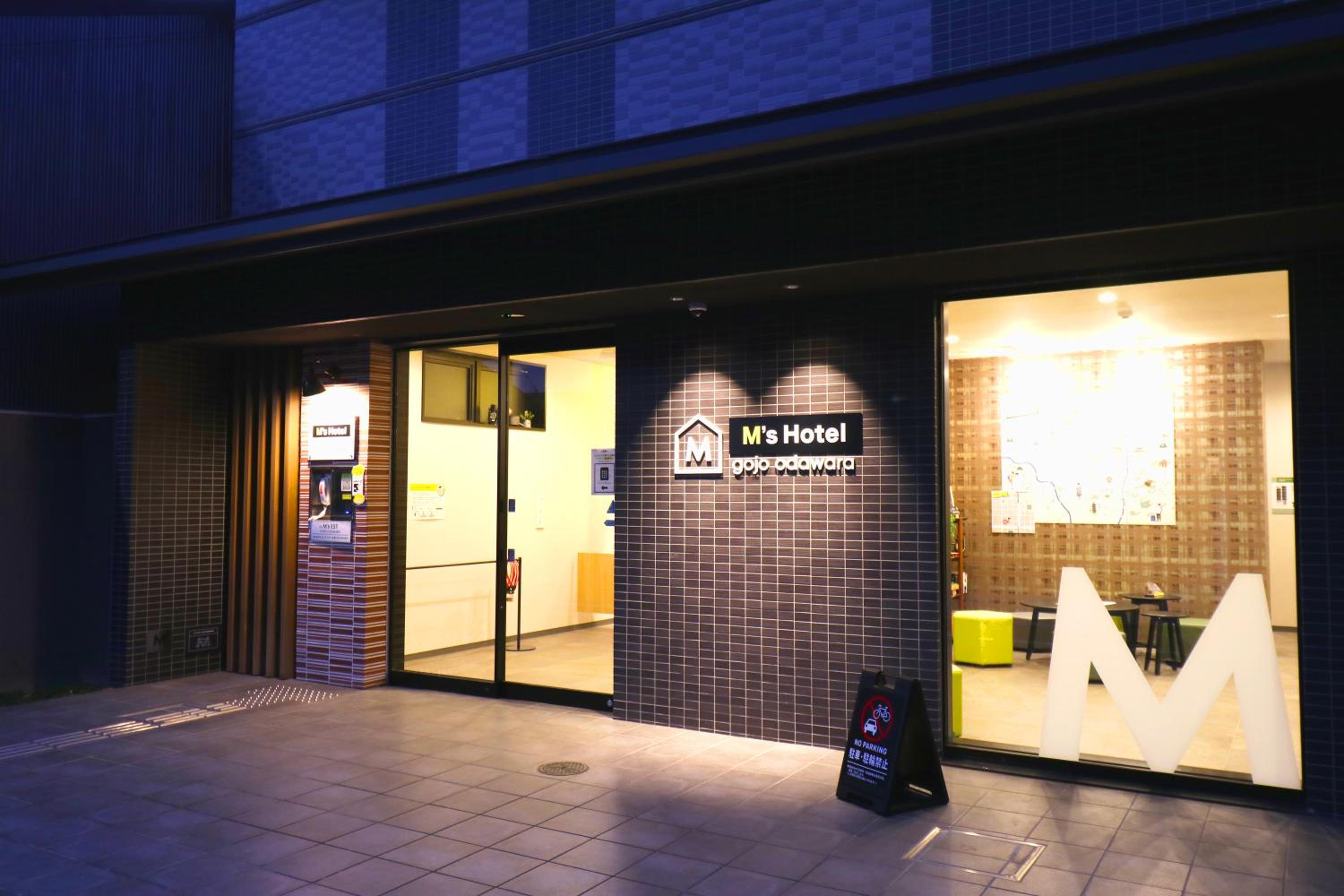
M's Hotel Gojo Odawara
Based on public data
This hotel has little guest-verified firsthand data yet. 0 reports; thin data, conclusions stay cautious. High-value questions (upgrades, lounge, breakfast) stay marked insufficient — we label thin data, we never fabricate.
Contribute a stay report06External scores · reference only, not verified
External aggregates never count as verified, and this page never shows a price.
Rooms & Views
This twin room is air-conditioned and features a flat-screen TV, an electric kettle, a carpeted floor and heating. The u…
The twin room provides air conditioning, an electric kettle, a carpeted floor, heating and a flat-screen TV. The unit of…
This triple room is air-conditioned and features a flat-screen TV, an electric kettle, a carpeted floor and heating. The…
The air-conditioned twin room offers a flat-screen TV, an electric kettle, a carpeted floor and heating. The unit has 2…
The double room offers air conditioning, an electric kettle, a carpeted floor, heating and a flat-screen TV. The unit ha…
T2 · Official booking system. Actual features may vary.
Restaurants nearby
- Manjuji Hakuran★ Michelin The chef, a native of the Goto Islands, weaves the flavours of Nagasaki into his prix fixe menus. He beguiles his guests with the fish of his native region, served as sashimi and wanmono. ‘Hatoshi’ is minced shrimp between two slices of crispy fried toast; Goto udon is a beloved local old favourite. With cultivated kappo technique, the chef turns common dishes into pictures of elegance. ‘Hakuran’ is an amalgam of his parents’ names. Sharing the charms of Nagasaki with the diners of Kyoto is an act of gratitude to his hometown.164m
- Ogata★★ MichelinTabelog Silver Bold, elegant cuisine, stripped down and pure, sets off works by Rosanjin and other artists. Avoiding piling element upon element, Ogata finds creativity in deceptively unsophisticated appearances. Technique is guided by intuition gained from each ingredient or inspired by seasonal expressions. Seasonal aesthetics are manifested through the choice of ingredients, revealing the natural vitality of each.666m
- Godan Miyazawa★ Michelin The next generation of chefs apply themselves diligently to every task from cooking to service, following the proprietor’s teaching to always be sincere. The chef devotes himself to his craft, staying close to the basics while feeding his curiosity with inventive combinations. Vegetables such as peas, corn, ginkgo nuts and turnip are kneaded into baked sesame tofu, heralding the arrival of the season.329m
- Kinobu★ Michelin Flexible and creative while revering the classics, Kinobu adds new twists to the way Kyoto cuisine reflects yearly events and the changing of the seasons. At the heart of the chef’s approach is a restless curiosity. He corresponds regularly with overseas chefs to deepen his store of knowledge. His ‘wine menu’ of dishes that pair well with wine is an innovation that broadens the scope of kaiseki. Kinobu began as a caterer and transformed itself into a ryotei. Treading a contemporary path, Kinobu keeps its eye on the future.411m
- YOKOI★ Michelin Guests are greeted with a cup of Kakegawa tea from the chef’s native Shizuoka, while kukicha, tea made from tea twigs, or ‘genmaicha’, green tea made from roasted brown rice, is served between courses. Combinations of foodstuffs convey the distinctiveness of the menu. Fruit is paired with fish and vegetables as their natural sweetness and acidity adds depth and contrast. Meat dishes are a vital part: depending on the season, diners may be entertained by meat hot-pots created before their eyes. The chef caters to guest preferences with a flexible imagination, pursuing an experience tailored for450m
- Wagokoro Izumi★ Michelin The name ‘Wagokoro’ was chosen as the chef aims for cuisine that calms the soul. Rather than pursue beautiful presentation for its own sake, the chef seeks a natural appearance that delights the hearts of diners. This commitment shines in grilled items such as rolled omelette and sweetfish, as well as in bowls of stewed items. Handmade thick-fried tofu and fish cake are the perfect companions to their broth. Flavours as only a chef who has toiled earnestly in the fields of Kyoto cooking can produce.487m
- Ayanokoji Karatsu★ Michelin An amiable couple from Nagasaki run this restaurant. The husband, an admirer of Kyoto cuisine, left his family’s kappo restaurant to gain experience in Kyoto. As he studied ways to present food, he fell in love with the bounty of ingredients available and decided to go independent. His habit is to visit producing regions, securing fresh ingredients in season, such as picking wild edible plants and mushrooms in Miyama and angling for sweetfish in Shiga. Under the tutelage of a potter, he makes his own ceramics, on which the couple serve their culinary creations.591m
- SEN★ Michelin Seasonal notes and playfulness abound in the menu. Simple preparations etch themselves in the memory. During the Gion Festival, SEN displays a replica of the Naginata Boko, the first float in the festival’s parade, reflecting the city’s traditional events and customs. At the close of the meal, choose from an assortment of comfort foods such as mackerel sushi, chazuke and ramen. The chef learned to ‘read the room’ as an apprentice and is known to change ingredients and preparation styles based on guests’ conversation. The spirit of graceful service, expressed in cooking.606m
- Kentan Horibe★ Michelin The first feature to catch your eye in the tasteful tea-house style interior is the lacquer counter, which the chef polished and coated himself. ‘Kentan’ means ‘the deep pursuit of self-improvement’. The seasonal interior decoration, serving ware and cuisine combine harmoniously to celebrate the history and food culture of Kyoto. Modern cooking techniques are also adopted here, such as grilling over low flame. A place to appreciate Japanese cuisine in a broader context.855m
- Germoglio★ Michelin The chef honed his craft in northern Italy as well as Kyoto. Pursuing original interpretations, he tacks Kyoto ingredients onto hometown Italian recipes. His passion leans toward the pasta dishes of the Piedmont region. His skill in making pasta by hand, factoring in the day’s weather, humidity and the condition of the ingredients, is craftsmanship personified. Flavours of Italy, reimagined for Japan’s four seasons.892m
Includes Michelin / Black Pearl / guide picks (reference quality, no prices); data from Overture, Michelin Guide and others.
Attractions nearby
- Heian-kyō former name of Kyoto, capital of Japan 794–1868894m
- Kiyomizu-dera Temple Buddhist temple in Higashiyama, Kyoto2.5km
- Kyoto Tower observation tower in Kyoto, Japan1.1km
- Kyoto National Museum art museum in Japan1.6km
- Tō-ji Temple building in Kyoto Prefecture, Japan2.1km
- Nijō Castle castle in Kyoto, Japan2.1km
- Sanjūsangen-dō Temple Buddhist temple in Kyoto, Japan1.7km
- Honnō-ji Temple Buddhist temple in Kyoto, Japan1.8km
Attraction data from Wikidata (CC0) — reference only.
Related community discussion
Start a discussionCommunity posts are member discussion. They are not used as verified records until separately reviewed.
No related posts yet
Start the first public discussion for this hotel or its program.