Guest-guided hotel insights
illi Enu Yotsuya
Based on public data
This hotel has little guest-verified firsthand data yet. 0 reports; thin data, conclusions stay cautious. High-value questions (upgrades, lounge, breakfast) stay marked insufficient — we label thin data, we never fabricate.
Contribute a stay report06External scores · reference only, not verified
External aggregates never count as verified, and this page never shows a price.
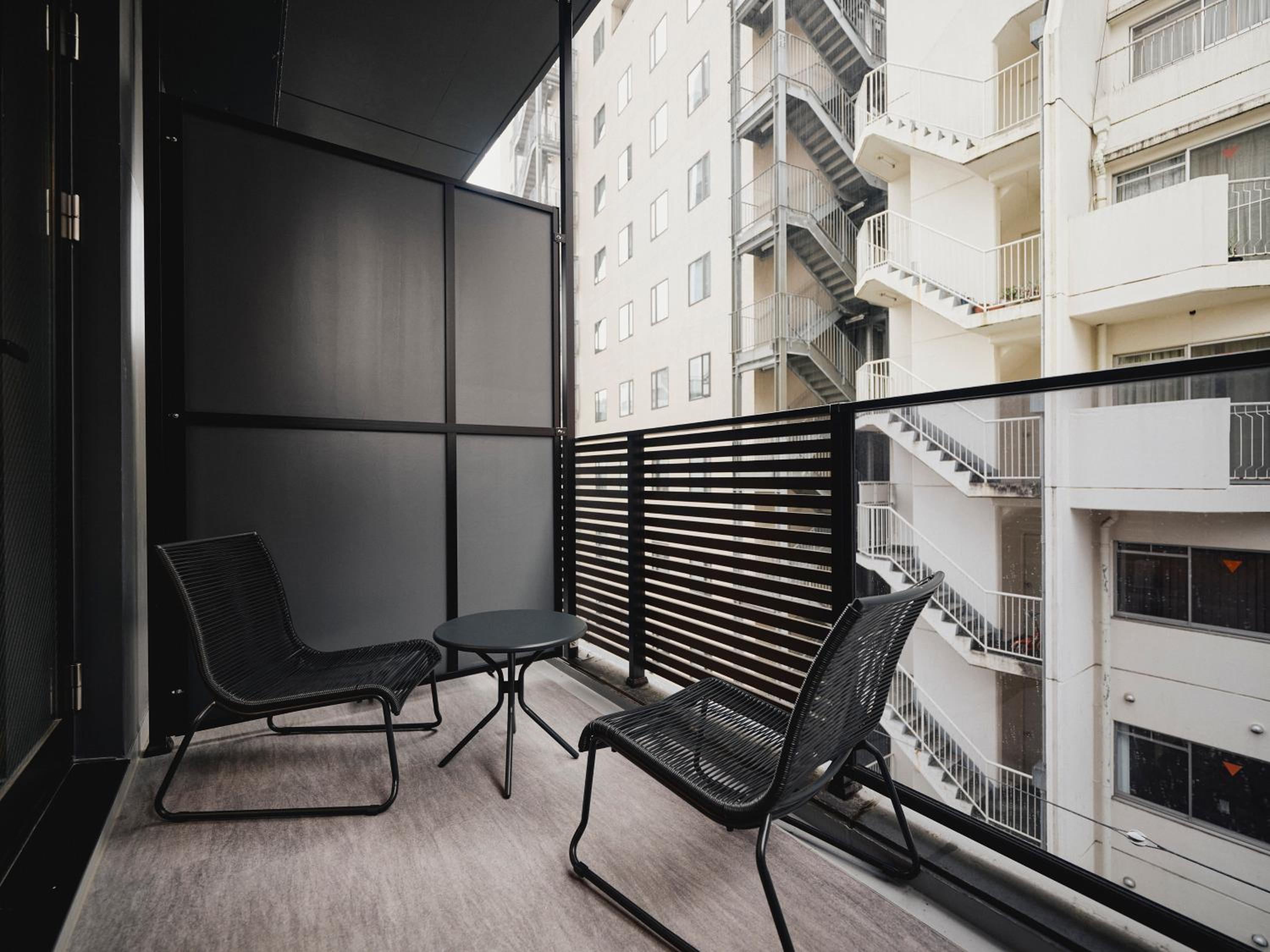
Rooms & Views
Guests can make meals in the kitchen that has a stovetop, a refrigerator, kitchenware and a microwave. The studio featur…
The well-equipped kitchen features a stovetop, a refrigerator, kitchenware and a microwave. The studio provides air cond…
T2 · Official booking system. Actual features may vary.
Restaurants nearby
- Yotsuya Minemura★ Michelin Down a narrow blind alley in a corner of Arakicho known for its dining spots, a traditional lantern casts a soft glow. Inside, the intimate space offers counter seating only, where the chef demonstrates the refined techniques of kappo. The menu favours individuality over formality. With the first toast in mind, fried dishes appear early in the meal. Steamed sushi seasoned with red vinegar is paired with seasonal seafood, and house-made soba is another highlight. The generosity of each portion adds to the satisfaction.426m
- Ubuka★ Michelin Love of shellfish above all else led the chef of Ubuka to tread the culinary path. He has done his homework, and the results show in a menu filled with crab and prawn suggestions. Some items follow kaiseki style, while others are Western in influence. Terrine of hair crab is an idea borrowed from French cuisine; fried prawns are immersed in sauce américaine. The meal concludes with crab and vegetables on rice cooked in an earthenware pot. Portions are generous to ensure guests can fully appreciate their shellfish. No wonder this restaurant is so busy.472m
- Sharikimon Onozawa★ Michelin Makoto Onozawa finds inventive ways to break the mould while respecting tradition. Soup dishes and sashimi uphold the basics, reassuring the diner. Broiled unagi seasoned in soy-based sweet sauce is served together with broiled unseasoned unagi for a special treat. Rolled sushi of tuna and pickled daikon radish are served in the intervals, bringing satisfaction. The meal concludes on two comfort-food notes: soba and curry. Breaking tradition, after all, is about seeing the job to completion.487m
- Kioicho Fukudaya★★ Michelin The totality of this ryotei’s art—the cuisine, the ceremonial furnishings, the service—makes a deep impression. The original owner-chef learned the basics of cooking under the guidance of legendary epicure Kitaoji Rosanjin. The current chef, guardian of the traditions of the Fukuda family, displays his talents with creations that delight guests, squarely focused on respect for ingredients. He puts into practice Rosanjin’s famous dictum: ‘Eight or nine times out of ten, the quality of the ingredients selected determines the quality of a dish.’1.1km
- MAZ★★ MichelinTabelog Silver This gustatory experience is a journey through Peru. The menu features the culinary traditions of the Andes and the ecosystem of the Amazon basin. Each menu item lists the producing region and, uniquely, its elevation. Taking these altitudes as a guide, the meal traces a route through sea, mountain and river, weaving a tale of diverse natural environments. Dried foods from Peru combine with Japanese ingredients to bring forth a cuisine that is richly imaginative.1.2km
- Tour D'argent Tokyo★ Michelin The Tokyo location was born from a meeting between the founder of the Hotel New Otani and the owner of the Paris flagship. The original restaurant, established in 1582, is said to be where the fork was first introduced. The legendary ‘Three Emperors Dinner’ at the 1867 Paris Exposition remains a historic milestone. Among the enduring specialities, the Three Emperors- style goose foie gras remains a constant. This stage for haute cuisine continues to foster connections and inspire harmony.944m
- Kagurazaka Ishikawa★★★ MichelinTabelog Silver Hideki Ishikawa’s guiding principle is ‘mui-shizen’: serve cuisine that is true to nature, free from artifice. Flavours are light, respecting each ingredient. Simplicity makes presentations all the more impressive, with consideration for harmony among flavours. Niigata rice is cooked fresh and served in earthen bowls, imparting the taste of the chef’s homeland. Kitchen and service staff work together with the practised solidarity of a well-rehearsed team.1.9km
- Takumi Tatsuhiro★ Michelin The counter spreads like a fan, so guests surround the kitchen. Chef and apprentice serve snacks and nigiri in turn, moving in perfect harmony. The house snack is iwashi-isobemaki, bite-sized pieces of pilchard wrapped in nori. Old-school sushi craftsmanship is woven in, such as spring sea bream topped with sweetened egg yolk flakes and lean tuna paired with mustard. In mutual support between restaurateur and farmers, sushi rice comes from the chef’s native Noto Peninsula. The team keeps the sushi smoothly flowing with deft motions, serving each guest with just the right intervals. ‘Takumi’ me1.3km
- NARISAWA★★ MichelinWorld's 50 Best #14Tabelog Silver Narisawa celebrates the culture of Japan’s ‘satoyama’, rural hillscapes, through the genre of ‘innovative satoyama cuisine’. The Japanese islands form a long arc from north to south, and most of the land is satoyama. In this geographical backdrop from foothills to plains, people have found ways to live harmoniously and sustainably with nature. This image of the satoyama informs the imagination of Narisawa’s cuisine. The restaurant uses traditional craftworks such as lacquerware and washi paper, harmonising diverse people and culture.1.8km
- Akasaka Shimabukuro★ Michelin The Chinese character for ‘food’ combines the characters for ‘person’ and ‘good’, hence the saying of Akasaka Shimabukuro, ‘food makes us better’. With gratitude for the bonds he forms with guests and those around him, the chef follows his own culinary path. The mellow flavour of the clear broth used in wanmono derives from shaved bonito flakes. Soba with dried mullet roe, interposed between menu items, and juwari soba, served at the end, are house creations using native species of buckwheat. The calligraphy on the wall says ‘go-en’, ‘personal connections’, echoing the restaurant’s whole-heart1.4km
Includes Michelin / Black Pearl / guide picks (reference quality, no prices); data from Overture, Michelin Guide and others.
Attractions nearby
- Yasukuni Shrine Shinto shrine in Tokyo, Japan1.6km
- Mode Gakuen Cocoon Tower building in Tokyo, Japan2.8km
- Shinjuku Gyoen park and garden in Shinjuku and Shibuya, Tokyo, Japan1.5km
- Edo Castle castle in Tokyo, Japan2.5km
- Tokyo Tower tower in Tokyo, Japan3.6km
- National Art Center, Tokyo art museum in Tokyo, Japan2.4km
- Chichibunomiya Rugby Stadium rugby stadium in Tokyo, Japan1.8km
- Meiji Jingū Shinto shrine in Tokyo, Japan2.8km
Attraction data from Wikidata (CC0) — reference only.
Related community discussion
Start a discussionCommunity posts are member discussion. They are not used as verified records until separately reviewed.
No related posts yet
Start the first public discussion for this hotel or its program.