Guest-guided hotel insights
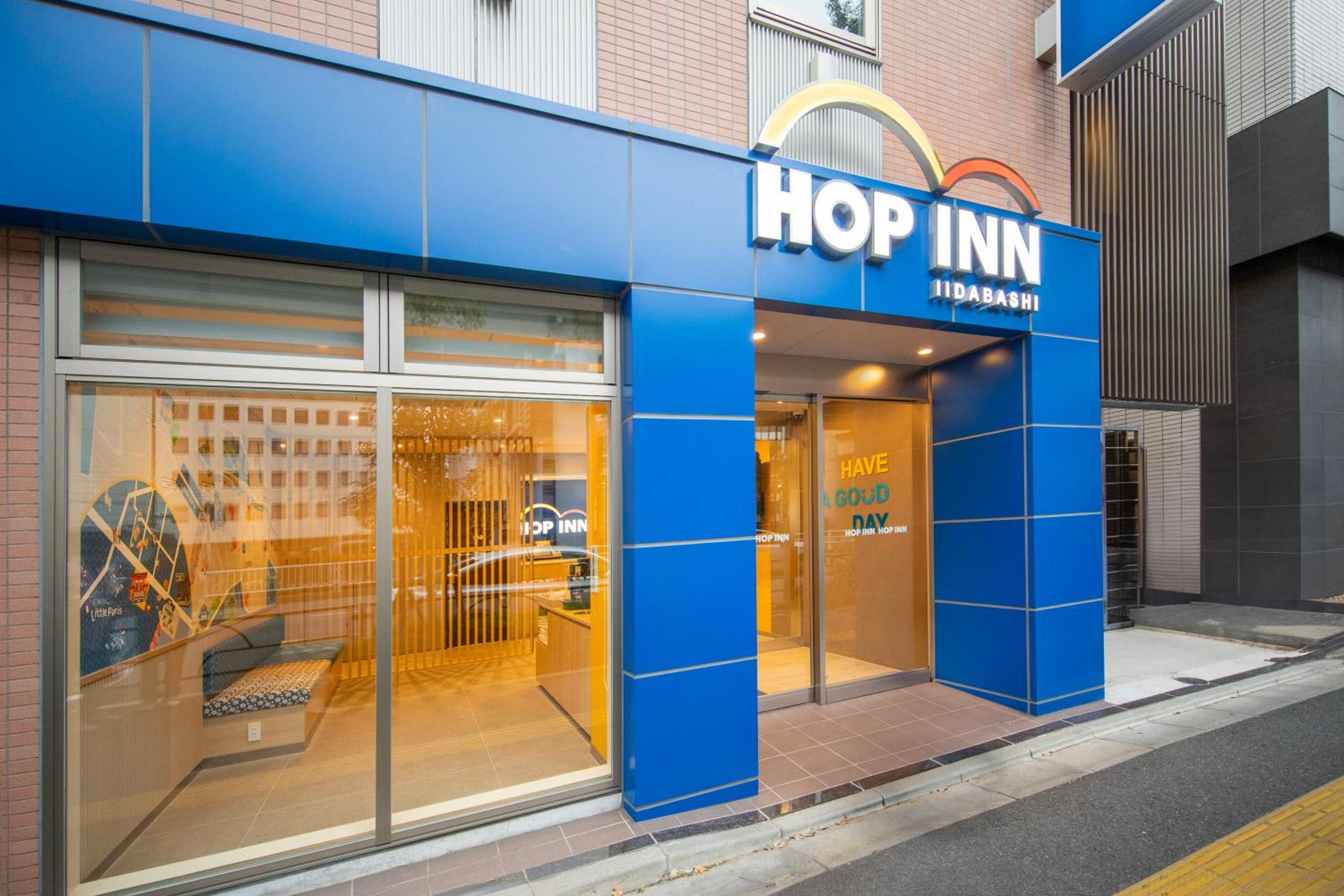
Hop Inn Tokyo Iidabashi
Based on public data
This hotel has little guest-verified firsthand data yet. 0 reports; thin data, conclusions stay cautious. High-value questions (upgrades, lounge, breakfast) stay marked insufficient — we label thin data, we never fabricate.
Contribute a stay report06External scores · reference only, not verified
External aggregates never count as verified, and this page never shows a price.
Rooms & Views
The double room includes a private bathroom, well-fitted with a bath, a shower, a bidet, a hairdryer and slippers. The d…
T2 · Official booking system. Actual features may vary.
Restaurants nearby
- Kagurazaka Ishikawa★★★ MichelinTabelog Silver Hideki Ishikawa’s guiding principle is ‘mui-shizen’: serve cuisine that is true to nature, free from artifice. Flavours are light, respecting each ingredient. Simplicity makes presentations all the more impressive, with consideration for harmony among flavours. Niigata rice is cooked fresh and served in earthen bowls, imparting the taste of the chef’s homeland. Kitchen and service staff work together with the practised solidarity of a well-rehearsed team.497m
- Kohaku★★ Michelin Experimentation with new flavours blows winds of innovation into Japanese cuisine. The chef’s purview extends to Western ingredients such as truffle and caviar. Reverence for dashi, however, keeps his dishes within the bounds of Japanese cuisine. The chef treads a unique path, weaving creativity and Western flamboyance into Japanese fare. The counter seats are always fully booked but, with luck, a cancellation might make the private dining room available.432m
- Tanimoto★ Michelin Amid the refinement of a dignified tea arbour, the chef cooks with sincere devotion. His attentiveness derives from his early work at a ryotei, where he was a doorman in charge of footwear. Tanimoto’s forte is charcoal grilling, preparing each ingredient with the strictest attention. The meal ends with a generous lineup of various rice dishes including, white rice, takikomi-gohan and chazuke, followed by tea poured by the chef himself. The spirit of graceful service brings satisfaction to the depths of the soul.315m
- FUSHIKINO★ Michelin ‘Fushikino’ is a mashup of two words, one referring to a Zen phrase, and the other meaning ‘mysterious’. Together, they suggest things that never before existed. The restaurant’s aim is to create something unprecedented, an unexpected culinary experience made possible through the trinity of food, sake and utensils. The menu lists familiar items of Japanese cuisine, but one-of-a-kind touches manifest in subtle details, such as onion soy sauce and aged ponzu sauce. Drink pairings of one cup per dish, served in sake cups lovingly produced by modern artists, are an entertaining grace note.407m
- Sushi Oya★ Michelin Having been born and raised overseas, the chef chose the path of the sushi artisan out of a desire to work in a field that involves Japan’s traditions and culture. Among the appetisers, standard items include simmered monkfish liver and steamed abalone. Sushi toppings start with the subtler flavours and proceed to bolder ones, paired with white-vinegar or red-vinegar sushi rice according to topping. Pioneering directions in modern sushi include squid glazed with salt water mixed with white birch sap and conger eel paired with an herbal liquor reduction.540m
- L'ÉTERRE★ Michelin The name ‘L’ÉTERRE’ is a mashup of two French words: ‘l’éterne’ meaning ‘eternity’, and ‘la terre’ meaning ‘the earth’. It encapsulates the restaurant’s determination never to stop gathering the bounty of the earth and crafting delicious cuisine from it. Japan is a country surrounded by sea, and L’ÉTERRE makes full use of this, focusing on seafood dishes. Vegetables and meat highlight the abundance of their terroirs, grilled sometimes over charcoal or firewood, sometimes over straw. Time-honoured cooking methods are eternal as well.542m
- Guchokuni★ Michelin Rooted in the fundamentals of Japanese cuisine, the chef brings individuality to simple presentations. Ingredients arrive from his native Nagano. Sarashina soba from Matsumoto is paired with seasonal produce, while Koshihikari rice from northern Nagano is prepared as takikomi-gohan. The meal concludes with a tomewan, a closing soup, enriched with Shinshu miso. The restaurant’s name is the credo his mentor left him, to cook with ‘simple honesty’, an approach that shines through in every dish.647m
- KHAO★ MichelinTabelog Gold Thai culinary culture interpreted through Japanese ingredients. She moved to Bangkok and honed her culinary skills, now offer her cuisine prix fixe. Chopped mix of pomelo and seafood derives from the table of the royal court; rice vermicelli yakisoba is inspired by Bangkok street food. Curries are prepared with fresh-pressed coconut milk. Regional cuisines are reproduced using fermented or matured homemade seasonings. KHAO overflows with inquisitiveness and passion for Thai cuisine.1.4km
- KyorakuteiBib The queue forms before the doors open. The reason for Kyorakutei’s popularity is the extensive menu, with drinks and snacks to sample between bites of soba. It’s great to visit any time, whether day or evening. Tempura choices are also abundant, and guests can order combination platters or individual items according to preference. Buckwheat is sourced from the chef’s native Aizu, with a focus on delivering the flavour of cold inaka soba (thick soba made with whole buckwheat) with a pleasing finish. Tomato soba, the early summer speciality, is worth waiting for.522m
- ALTER EGOTabelog Silver A ‘sugidama’, a traditional ball made from sprigs of Japanese cedar, hangs from the eaves of a house with a unique green décor. The restaurant is the creation of Milan-based Yoji Tokuyoshi and the concept is ‘Italian food with Japanese ingredients’. To draw out the delicious flavour of ingredients in season, preparations are kept simple. A menu focused on à la carte selections encourages guests to enjoy freely. The richly seasonal menu offers something new to discover on every visit.1.4km
Includes Michelin / Black Pearl / guide picks (reference quality, no prices); data from Overture, Michelin Guide and others.
Attractions nearby
- Yasukuni Shrine Shinto shrine in Tokyo, Japan1.1km
- Tokyo Dome indoor stadium in Bunkyō, Tokyo, Japan745m
- Edo Castle castle in Tokyo, Japan2.0km
- St. Mary's Cathedral seat of the Roman Catholic Archdiocese of Tokyo1.9km
- The National Museum of Modern Art, Tokyo Art museum in Tokyo, Japan1.8km
- Ueno Imperial Grant Park park in Tokyo, Japan2.6km
- Tokyo National Museum art museum in Tokyo, Japan3.4km
- National Museum of Western Art art museum in Tokyo, Japan3.2km
Attraction data from Wikidata (CC0) — reference only.
Related community discussion
Start a discussionCommunity posts are member discussion. They are not used as verified records until separately reviewed.
No related posts yet
Start the first public discussion for this hotel or its program.