Guest-guided hotel insights
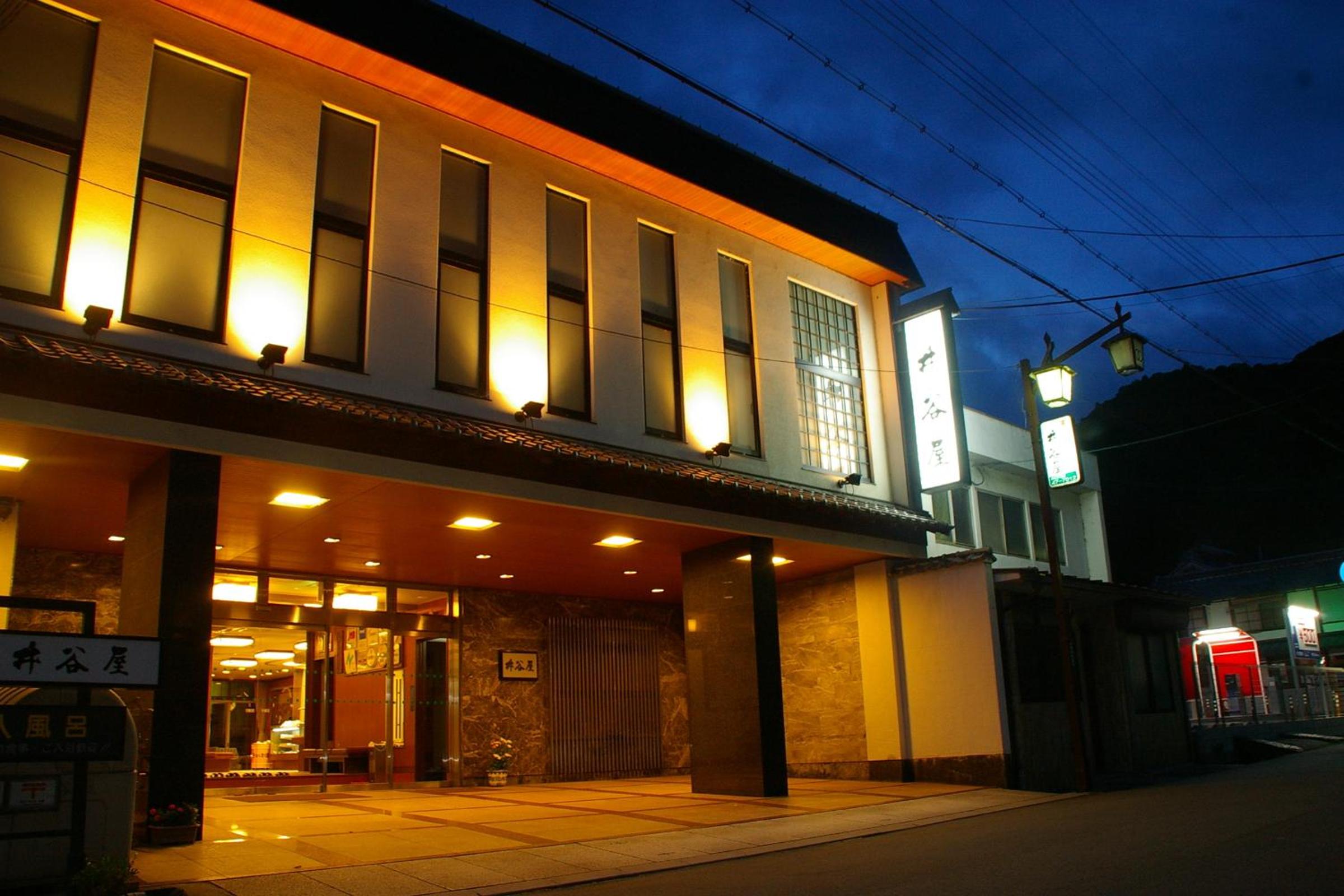
Itaniya
Based on public data
This hotel has little guest-verified firsthand data yet. 0 reports; thin data, conclusions stay cautious. High-value questions (upgrades, lounge, breakfast) stay marked insufficient — we label thin data, we never fabricate.
Contribute a stay report06External scores · reference only, not verified
External aggregates never count as verified, and this page never shows a price.
Rooms & Views
This family room features a seating area, electric kettle and air conditioning. The private bathroom comes with a bath,…
This family room features a seating area, electric kettle and air conditioning. There is an en suite toilet in the room.…
The air conditioned rooms feature tatami (woven-straw) flooring and traditional futon bedding. Rooms are equipped with a…
T2 · Official booking system. Actual features may vary.
Restaurants nearby
- Ajinokaze Nishimura★ Michelin Hearty deliciousness is the order of the day here. Simple arrangements convey the sincerity of the chef’s commitment to his craft. Hinohikari rice from Nara Prefecture is cooked in clay pots and seasoned with chirimen sansho (small fish cooked with peppers). The meal concludes with handmade confections served with matcha, to send you on your way feeling relaxed and calm. This Japanese cuisine is woven together with ingredients and crockery from Sakurai. The ‘aji no kaze’ or ‘winds of flavour’ blow gently amid the beauty of nature.6.0km
- Da terra★ Michelin A peaceful, traditional rural house surrounded by farmland is home to this restaurant. The shop is an advertisement for the good earth of Asuka, ‘the place where Japan began’, and its bounty. Main ingredients consist of produce cultivated by the chef’s family. One item, a brightly colourful salad, is named “Daichi Kara”, “From the Land”. Wheat is turned into pasta, rice into risotto. Set menus are a journey through the seasons, calculated to inspire gratitude to nature as one proceeds through the meal.10.7km
- Kaiseki Morimoto★ Michelin The interior of the old traditional house is refurbished, yet the Showa-era ambience is unmistakable. The chef cooks alone, dedicated to his credo of serving everything straight from the kitchen to the table. What impresses most are the vegetables. Each plate features leaf and root vegetables grown under the personal care of the chef’s father, a landscape architect. The chef uses restrained seasoning to bring out the flavours of the ingredients. Takikomi-gohan made with vegetables picked that morning is served with house-made pickles. Simple, honest cooking, done as only Morimoto can.10.8km
- Sushi Kawashima★ Michelin Sushi Kawashima pursues its own way in the sushi world, a route that crosses paths with the food culture of Nara. Sashimi is dressed with hishio, a koji-mould and salt-water mixture said to be the origin of soy sauce. Snacks are served with preserved so, a condensed-milk product enjoyed in ancient Japan. Yamato tachibana pepper is a seasoning made from an ancient citrus fruit. Sushi of gizzard shad with persimmon leaf testifies to the chef’s lively imagination. Nigirizushi is formed without wasabi, to bring out the flavours of the topping and sushi rice. Persimmon-leaf tea is a relaxing treat 11.4km
- Tsukumo★★ Michelin Falling in love with the cultural landscapes of Nara, the chef opened his restaurant in Naramachi, where he weaves the history and customs of the Yamato region into his menu like a story. The source of his originality lies in the imaginative and creative skills he cultivated overseas. When combined with the skills he honed along the way, the result is a cuisine of refreshing novelty. Ingredients from Buddhist vegetarian dishes and Western cuisine are incorporated, telling the tale of his gastronomic journey. Passion for his craft drives the chef to take Japanese cuisine to new levels.17.4km
- akordu★★ Michelin ‘Akordu’ is Basque for ‘memories’. Chef Hiroshi Kawashima invokes memories from his ingredients, encapsulating messages in his cooking. Each course in the prix fixe meal comes with a card; menu names are akin to story titles. Kawashima interprets the history and cultural topography of Nara through a modern Spanish sensibility cultivated in Basque country. Cuisine bursting with creativity, beautifully prepared and arranged.18.4km
- NARA NIKON★★ Michelin ‘Nikon’, meaning ‘live to the full in this moment’, was the principle advocated by Zen master Dogen Zenji (1200–1253). Every day in his kitchen the chef displays the sincere devotion to Japanese cuisine he has had ever since he began at the bottom of the ladder. He focuses above all on the right timing for handling his ingredients: when to prep, when to slice, and so on. Serving at just the right temperature is vital as well. This craftsman’s spirit of applying every ounce of effort in the present moment is reflected in the name of the restaurant.18.7km
- Ike Edoyakiunagi AsahiteiBib There is a saying about the depth of skill an unagi chef needs: three years to learn how to skewer it, eight to learn how to dress it and a lifetime to learn how to grill it. While grilling unagi might be the most difficult, Hideki Morimoto was tasked with it from a young age by his father, the then owner. Edo-style grilling includes steaming beforehand and is something the father learned while training in Tokyo. He buys in mostly large unagi and far-infrared grills it.4.0km
- Hoshino★ Michelin The detached house looks at home amid the venerable townscape of old Nara. Enter the traditional wooden townhouse, however, and a modern atrium greets you, juxtaposing old with new. Offering ‘cuisine that reflects the milieu of Nara and the four seasons’, the owner-chef shines a spotlight on local ingredients, arranging them according to the flavours of the season. Wagyu from Uda is char-grilled; spring is celebrated with Japanese pepper flower, and autumn with matsutake mushrooms. Antique dishware brings out the beauty of simple presentations.17.5km
- à plus★ Michelin The restaurant shares a site occupied by a sake brewery since the days of the shoguns. A black counter reflects the Japanese interior of this refurbished traditional house. Locally grown and raised ingredients are the star of the cuisine, with Nara-style pickled vegetables, Yamato beef and vegetables all expressing the terroir of Nara. Akitsuho rice, used in sake brewing, makes an appearance in prix fixe offerings, transformed into rice dishes such as paella and risotto. Sake pairings from the unique expertise of a sake brewer are another reason to visit.17.5km
Includes Michelin / Black Pearl / guide picks (reference quality, no prices); data from Overture, Michelin Guide and others.
Attractions nearby
- Hōryū-ji Temple Buddhist temple in Nara Prefecture, Japan18.4km
- Tōdai-ji Temple Japanese Buddhist temple in Nara18.6km
- Hase-dera Temple Buddhist temple in Nara Prefecture, Japan439m
- Mount Miwa mountain in Nara Prefecture, Japan3.8km
- Kasuga-taisha Shinto shrine in Nara Prefecture, Japan17.5km
- Kōfuku-ji Temple Buddhist temple in Nara Prefecture, Japan18.2km
- Yakushi-ji Temple Buddhist temple in Nara Prefecture, Japan18.9km
- Heijō-kyō capital city of Japan during the Nara period, 710–740 and 745–78420.5km
Attraction data from Wikidata (CC0) — reference only.
Related community discussion
Start a discussionCommunity posts are member discussion. They are not used as verified records until separately reviewed.
No related posts yet
Start the first public discussion for this hotel or its program.