Guest-guided hotel insights
Guest House Waraku-An
Based on public data
This hotel has little guest-verified firsthand data yet. 0 reports; thin data, conclusions stay cautious. High-value questions (upgrades, lounge, breakfast) stay marked insufficient — we label thin data, we never fabricate.
Contribute a stay report06External scores · reference only, not verified
External aggregates never count as verified, and this page never shows a price.
Rooms & Views
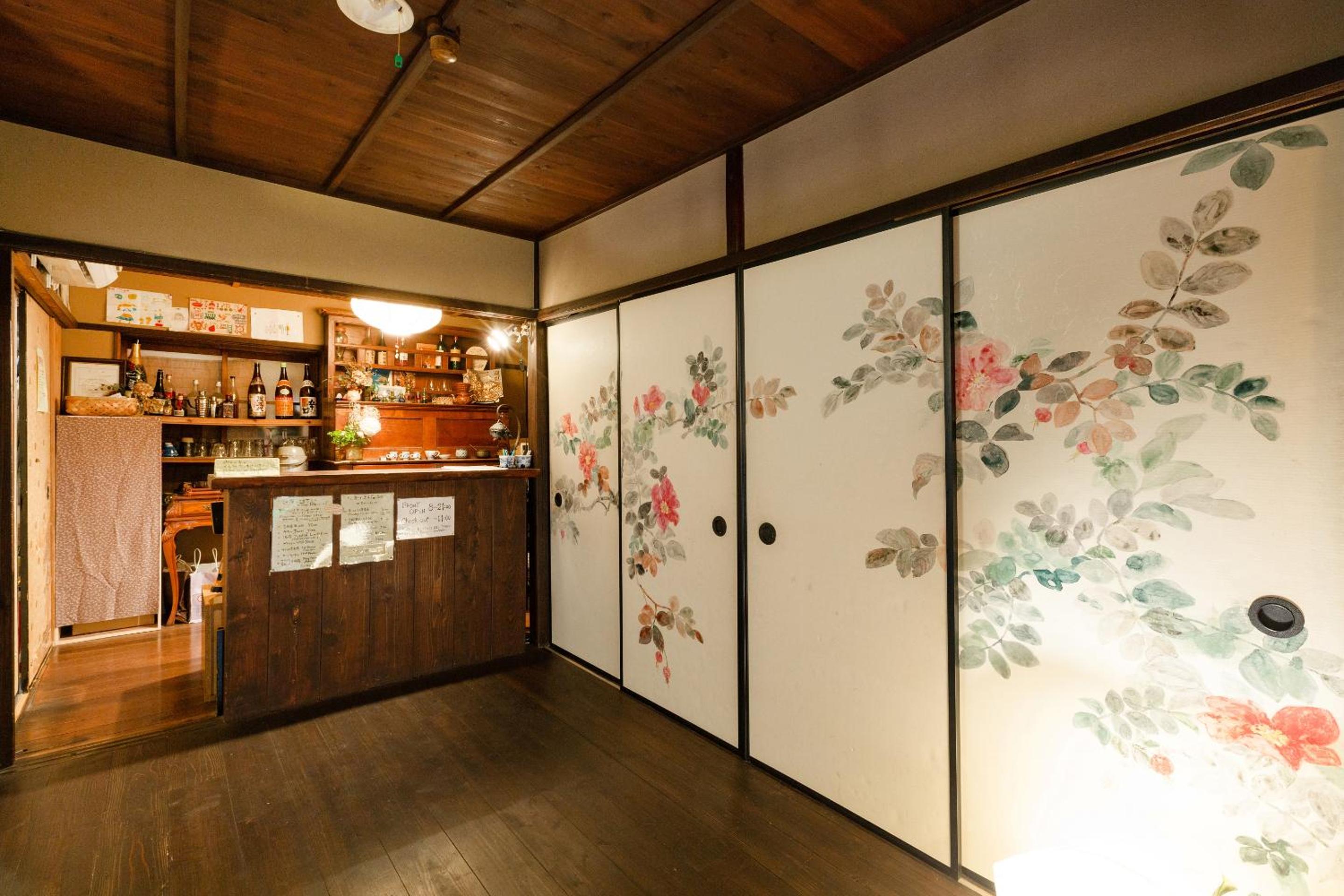
This room opens directly onto the garden and features Japanese futon bedding and a tatami (woven-straw) floor. All room…
The twin/double room provides air conditioning, a washing machine, as well as a shared bathroom featuring a hairdryer an…
Features tatami (woven-straw) flooring and Japanese futon bedding. All rooms are air-conditioned, have shared toilets a…
Price includes 1 set of Japanese-style futon bedding on a tatami (woven-straw) floor, in a room shared with multiple gue…
Features a special Double-size futon mat on tatami (woven-straw) bedding. All rooms are air-conditioned, have shared to…
This single room features air conditioning. Please note that this single room is equipped with 1 futon. Room is on the…
The triple room provides air conditioning, a washing machine, as well as a shared bathroom featuring a hairdryer and sli…
Price includes 1 set of Japanese-style futon bedding on a tatami (woven-straw) floor, in a room shared with multiple gue…
T2 · Official booking system. Actual features may vary.
Restaurants nearby
- cenci★ Michelin Ken Sakamoto exults in expressing Italian cuisine through the bounty of Japanese produce. Putting kombu kelp, bonito stock and fermented ingredients like malted rice miso and sake lees to effective use is how he preaches the gospel of Japanese cuisine. Cured hams and cheeses arrive from producers who share the chef’s passion. Nonstandard vegetables are used in fermented form; pruned citrus fruits garnish lend a sour piquancy as garnish. Food that brings people together in every sense.88m
- Hyotei★★★ Michelin The aesthetic of ‘wabi-sabi’, restraint and impermanence, breathes in the walls of this veteran ryotei. The garden of moss-covered stone lanterns and washbasins, channels flowing with clear streams from Lake Biwa and a still, quiet tea arbour all give it a shadowed atmosphere. Hyotei eggs are a tradition handed down through generations from the founder. Eiichi Takahashi changed the dashi from dried bonito to dried tuna; tomato and soy sauce gracing Akashi sea bream sashimi is a permutation courtesy of the current chef, Yoshihiro Takahashi. Over the years, layers of innovation build up to cater955m
- Kyo Seika★ Michelin The restaurant is temporarily closed. It's planned to reopen in September. Shizuo Miyamoto’s quest is for his own style of Chinese cooking with a seasonal aesthetic. Fish in season is stir-fried with chilli peppers; spring rolls are wrapped in three types of ingredients, so each mouthful tastes different from the one before. Counter seating, right in front of the kitchen, builds diners’ anticipation amidst the clatter of woks and aroma of food. At ‘Kyo Seika,’ graciously hosted by the Miyamoto couple, lively conversation between the veteran chef and his guests imparts joy to the meal.656m
- Higashiyama Ogata★ Michelin This branch was opened by its parent restaurant, Ogata, to give its apprentices a place to shine. Across a counter formed from a single slab of wood, the cooks work in sync to offer graceful service. Their fare oozes rustic charm, a style handed down from their mentor. Only the minimum of ingredients is used in each dish, and seasoning is restrained to bring out their full character. Hot-pot dishes and items grilled over a shichirin charcoal brazier are bold yet delicate. Enjoy the spectacle of cooking while savouring the bounty of nature.834m
- LURRA˚★ Michelin The name is a mashup of ‘Luna’ and ‘Terra’, Earth and Moon – a trip around the world that starts here. The theme is a showcase of season and culture. Combining the seasons of Japan with food cultures from countries around the world, the restaurant concocts dishes of exuberant creativity. Uniquely, main dishes are crafted with vegetables from Ohara and Fushimi, and grilled onigiri caps the meal. The many and varied pairings are a source of delight.839m
- Isshisoden Nakamura★★★ Michelin The house began life as a travelling fishmonger, carrying fish from Wakasa Bay to scattered markets, then gradually transitioned into a restaurant. The sixth-generation head, Motokazu Nakamura, took over the reins having been the only one entrusted with the craft he learned at his father’s side. For the white miso zoni, he only uses water drawn from a well on the premises to dissolve the miso. Sake-grilled tilefish is doused in sake multiple times, piling flavour on top of flavour. The chef tends the kitchen with his son, who trained abroad, passing skills and spirit from one generation to the1.5km
- Higashiyama Tsukasa★ Michelin The menu is always original, thanks to the insatiable curiosity of the chef. Declining to be bound by Japanese cuisine, he makes pleasing diners his top priority instead. Rice paper rolls, an idea from Vietnam, are made with Japanese ingredients that change with the season. Meals conclude with dishes such as spicy curry rice or rice topped with raw egg and XO sauce. A freewheeling imagination entices with familiar ingredients such as dashi and miso used in unpredictable ways.931m
- Droit★ Michelin A return to the origins of French cuisine. To sublimate the classics, the chef pores over old cookbooks and interprets their recipes for modern ingredients and environments, giving free rein to his curiosity with wine, butter and sauces pungent with spices. He emphasises herbs picked in the morning in Oharano and ingredients from around Kansai, expressing in food his conversations with producers. ‘Droit’ means ‘straight ahead,’ and that’s the steady course this restaurant charts.969m
- Mizai★★★ Michelin The ambience is still, like a mountain retreat in the heart of the city. The flicker of votive lanterns casts a tenor of rustic simplicity. While he worked to polish his cooking skills, Hitoshi Ishihara also encountered Zen teachings. Inspired by the wabicha spirit of the tea ceremony, Ishihara strives to host each dinner as a single gathering, with guests and host in close communication. Generous portions reinforce the mood of celebration. ‘Mizai’ is a Zen word meaning ‘not yet here’; for Ishihara, tireless self-improvement is a never-ending journey.1.6km
- Nijo Minami★ Michelin The counter was lacquered by the couple who run the restaurant as a wish for its enduring prosperity. The sign is a memento handwritten for them by the monk of Daitokuji Temple, to which the couple regularly journey to draw water. To impart the flavour of each ingredient, the chef follows a creed of simple, honest preparation. His talents are on full display in the Kyoto cuisine he studied so diligently. The meal closes with handmade Japanese confectioneries. As a devotee of the Omote Senke school of tea ceremony, the chef serves thin tea, which he prepares himself as a token of gratitude.1.1km
Includes Michelin / Black Pearl / guide picks (reference quality, no prices); data from Overture, Michelin Guide and others.
Attractions nearby
- Heian Jingū Shinto shrine in Kyoto Prefecture, Japan269m
- Kiyomizu-dera Temple Buddhist temple in Higashiyama, Kyoto2.6km
- Ginkaku-ji Temple temple in Sakyo ward of Kyoto, Japan2.0km
- Yasaka Shrine Shinto shrine in Kyoto, Japan1.5km
- Sanjō Ōhashi Bridge bridge in Kyoto, Japan1.2km
- Nanzen-ji Temple building in Kyoto Prefecture, Japan1.5km
- Honnō-ji Temple Buddhist temple in Kyoto, Japan1.3km
- Chion-in Temple Buddhist temple in Kyoto Prefecture, Japan1.4km
Attraction data from Wikidata (CC0) — reference only.
Related community discussion
Start a discussionCommunity posts are member discussion. They are not used as verified records until separately reviewed.
No related posts yet
Start the first public discussion for this hotel or its program.