Guest-guided hotel insights
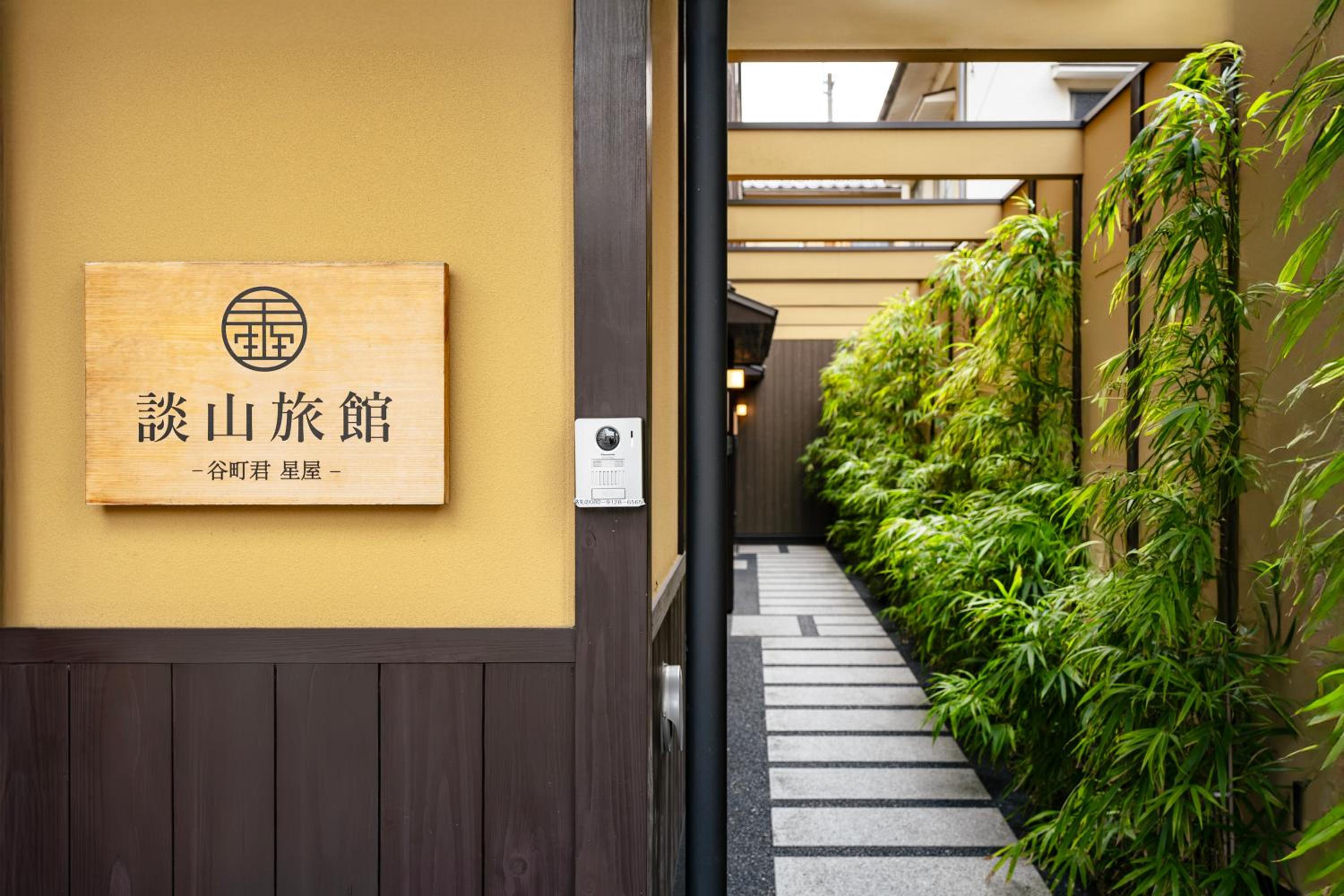
谷町君・星屋・談山旅館 京都嵐山
Based on public data
This hotel has little guest-verified firsthand data yet. 0 reports; thin data, conclusions stay cautious. High-value questions (upgrades, lounge, breakfast) stay marked insufficient — we label thin data, we never fabricate.
Contribute a stay report06External scores · reference only, not verified
External aggregates never count as verified, and this page never shows a price.
Rooms & Views
The hot tub is the standout feature of this holiday home. Boasting a private entrance, this air-conditioned holiday home…
The hot tub is a top feature of this holiday home. Boasting a private entrance, this air-conditioned holiday home includ…
The hot tub is a top feature of this holiday home. Boasting a private entrance, this air-conditioned holiday home includ…
This holiday home's standout feature is the hot tub. Featuring a private entrance, this air-conditioned holiday home is…
T2 · Official booking system. Actual features may vary.
Restaurants nearby
- Okina★ Michelin The father-and-son team, along with their wives, offer a warm welcome to this kappo with deep roots in Saga. You can order à la carte or omakase style. Fish dishes are the stars of the menu, prepared in a number of ways: steamed with salt and sake, grilled, or however you like. Eel are prepared both unseasoned and dipped in soy-based sauce for you to taste and compare. At lunch the menu of boiled tofu and hiryuzu (deep-fried tofu mixed with thinly sliced vegetable) is the attraction. Treasuring its links with the region it calls home, Okina gets its tofu from Saga.1.1km
- ShigetsuBib Standing on the grounds of Tenryuji Temple, a World Heritage site, the restaurant presents the vegetarian diet that is part of Buddhist training. Arranging cuisine on vermilion-lacquered plates reflects Zen convention. Every dish is nourishing, from sesame tofu and deep-fried tofu mixed with vegetable slices to dressed vegetables. To live is to eat, to give thanks to life, to cherish the moment. The Zen spirit of harmony with nature breathes within these walls.1.4km
- Tozentei★ Michelin Tozentei takes its name from a fictitious restaurant in a novel. ‘Tozen’ means ‘tipsy,’ a state of being slightly and comfortably under the influence; the name invites guests to find pleasure in both tucker and tipple. The fabric of human relations in this family-run restaurant exudes a feel of immersion in a cheerful TV drama or story. Tilefish steamed with plums and kombu consummately combines the flavour of the fish flesh with the tartness of dried plums. Tozentei is located close to Tenmangu, a shrine famous for the plum trees beloved by the poet and statesman Sugawara no Michizane. The co4.0km
- Ramenya FujitoraBib ‘Fujitora’ is a blend of the chef’s name and that of the shop where he apprenticed, created to bring luck. It was his mentor’s ramen that inspired him to embark on his current path. The techniques he cultivated and his inquisitive mind shine in his chicken-and-pork soup. The chef prepares this soup in a large stockpot in the kitchen, patiently teasing every drop of umami from the ingredients. Sauce for soy-sauce ramen is created from a medley of soy sauces to harmonise with the soup.3.0km
- NOODLE SHOP RENNOSUKEBib The residential neighbourhood is like a maze and the restaurant has no sign out front. A spotlight on a bowl of ramen in a showcase indicates you’ve arrived. ‘Ramen’ distils the chef’s experience in Kyoto, pairing clear soup made with seafood dashi and pure soy sauce with house-made Kyoto wheat noodles. Thinly sliced roasted pork fillet is from Kyoto-raised swine. Blue bowls of specially ordered Kiyomizu ware set off each meal to its advantage.4.9km
- wavie ‘Wavie’ (pronounced ‘wah-vee’) is an invented word combining Japanese ‘wa’, ‘harmony’, with French ‘vie’, ‘life’; it expresses the concept of French cuisine brought to new life through Japanese ingredients. The prix fixe menu is squarely focused on the ingredients of Kyoto and its environs. Vegetables fermented in herbs add depth and character to the flavours. Arrangements are modern in style. With sauces based on wine and cream, wavie fuses Japanese and French influences to create a culture of culinary harmony.2.8km
- Ajiro Honten The name refers to a type of conical hat worn by monks in training. The restaurant is adjacent to Myoshinji, the head temple of the Rinzai school of Zen Buddhism, where its founder learned the forms and spirit of shojin-ryori. Dishes are served on vermilion-lacquered serving-ware, a convention of Zen Buddhism, and arranged for colourful, eye-catching presentation. Udon, prepared with soy flour added, is a signature dish. Fresh soybean curds are a delicacy of the house. Vegetarian cuisine handed down from classical times that soothes the soul.3.1km
- Hosun Nagashima Emmachi is where the chef was born and raised. He turned the family home into a restaurant, pledging to contribute to the town he loves. ‘Hosun’ means ‘a little square’ or ‘the space occupied by my heart’; the Japanese of old believed that the heart covered about 9 square centimetres, and the chef wants his shop to be a place where the hearts of guests and chef come together. Cuisine is focused on dashi, with harmony between ingredients and broth. The flavour of the seasoned first dashi in soup dishes derives from makombu seaweed. Char-grilled fish is paired with dashi paste.4.1km
- Senda The restaurant lies near Kitano Tenmangu Shrine, renowned for its plum blossoms, so beloved of Sugawara no Michizane. As befits this heritage, as well as its location in Hakubaicho (‘White Plum town’), the house features ume on its bowls of stewed items. Unagi dishes pay homage to the restaurant run by the chef’s family in Fukui. Using the same dipping sauce as his family’s shop, the chef serves grilled unagi over rice at lunch and kabayaki for dinner. Unripe plums for frozen desserts come from a former classmate, and sake is brought in from Wakasa, showcasing the specialities of the chef’s na4.3km
- Wakasugi The chef honed his skills in a wide variety of restaurant formats including ryotei, kappo, and caterer, cultivating his discernment. Lunches are omakase set menu only, while à la carte is available in the evenings, with fare running the gamut from hometown cooking to creative inspirations. Pacific herring with aubergine arrives tender, its flavours in harmony. Heshiko, or eel fermented in-house in salt and rice bran is served grilled. Potato salad of smoked salmon and herring roe stands out as a speciality. Nostalgia and novelty mingle agreeably.4.6km
Includes Michelin / Black Pearl / guide picks (reference quality, no prices); data from Overture, Michelin Guide and others.
Attractions nearby
- Tenryū-ji Temple temple in Ukyō-ku, Kyoto Prefecture, Japan1.3km
- Arashiyama human settlement in Japan2.3km
- Ninna-ji Temple Buddhist temple in Kyoto, Japan2.7km
- Ryōan-ji Temple temple in Kyoto, Japan3.2km
- Kinkaku-ji Temple Zen Buddhist temple in Kyoto, Japan4.3km
- Saihō-ji Temple Rinzai Zen Buddhist temple located in Matsuo, Japan3.2km
- Myōshin-ji Temple Zen Buddhist temple in Kyoto, Japan3.0km
- Kōzan-ji Temple building in Kyoto Prefecture, Japan4.4km
Attraction data from Wikidata (CC0) — reference only.
Related community discussion
Start a discussionCommunity posts are member discussion. They are not used as verified records until separately reviewed.
No related posts yet
Start the first public discussion for this hotel or its program.