Guest-guided hotel insights
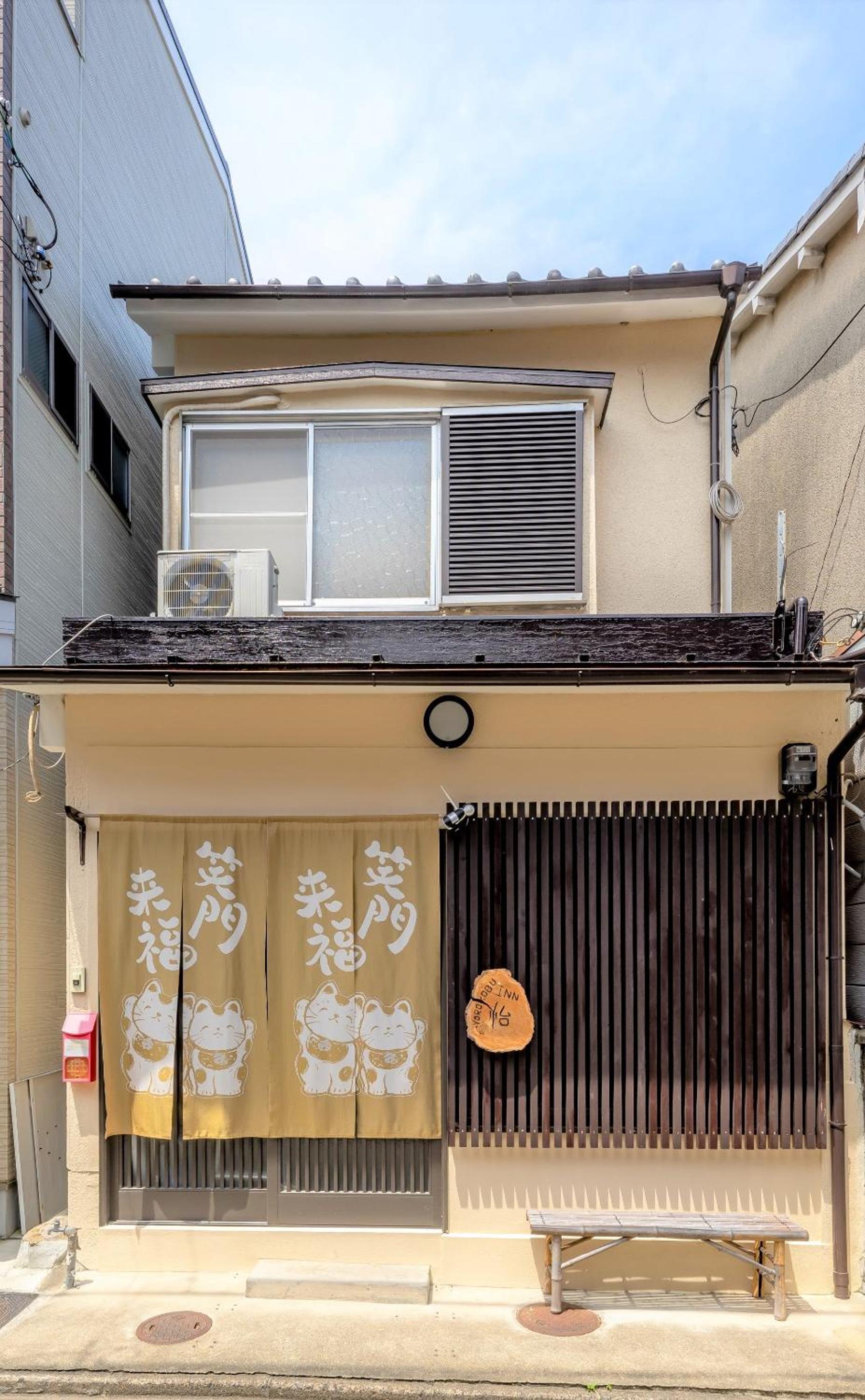
京乃怡 Kyoto Yorokobu Inn
Based on public data
This hotel has little guest-verified firsthand data yet. 0 reports; thin data, conclusions stay cautious. High-value questions (upgrades, lounge, breakfast) stay marked insufficient — we label thin data, we never fabricate.
Contribute a stay report06External scores · reference only, not verified
External aggregates never count as verified, and this page never shows a price.
Rooms & Views
The air-conditioned holiday home features 2 bedrooms and 1 bathroom with a bath and a shower. Guests can make meals in t…
T2 · Official booking system. Actual features may vary.
Restaurants nearby
- enWorld's 50 Best #47Tabelog SilverLa Liste 96.5 His father was an artist specialising in maki-e, gold and silver decorations on lacquer; his mother the latest in a long line of tea-ceremony instructors. Overseas, he spread the word about the virtues of shojin-ryori. ‘En’ means ‘swallow’; the chef named his restaurant for this migratory bird in reference to himself, a man who had lived away from Japan but had come home to Kyoto. The menu is broad in scope and includes some dishes incorporating Western elements. The swallow is said to bring good fortune, and the chef’s personality and the reputation of his cooking bring customers flocking to 849m
- Higashiyama Yoshihisa★★ Michelin The chef oversees every aspect of the menu, which changes monthly. The restaurant evolves from moment to moment as seasons shift and the day’s ingredients are chosen; this impermanence inspires the passion and the flavours at the core of the chef’s creativity. He embraces the principle of shuhari, the three stages of mastery: first, master the basics; next, break the mould with creativity; finally, set out on your own to blaze a new trail. Guest and chef merge time and space, sharing a mutually felt joy.1.7km
- Germoglio★ Michelin The chef honed his craft in northern Italy as well as Kyoto. Pursuing original interpretations, he tacks Kyoto ingredients onto hometown Italian recipes. His passion leans toward the pasta dishes of the Piedmont region. His skill in making pasta by hand, factoring in the day’s weather, humidity and the condition of the ingredients, is craftsmanship personified. Flavours of Italy, reimagined for Japan’s four seasons.1.5km
- Kako Okamoto★ Michelin The proprietor loves sake above all other beverages and caters to his guests by pairing sakes of every region with compatible dishes. ‘Delicious sake and prized delicacies’ are the stars of the menu, a tapestry of kaiseki offerings interwoven with the chef’s imagination. One such creation features sashimi served as aemono—veggies or seafood, dressed with various seasonings. Appetisers arrive not on a platter, but one by one, freshly cooked. The meal concludes with chub mackerel sushi and somen noodle soup instead of the traditional rice and soup. Dishes designed to go well with sake keep the r1.8km
- Gion Sasaki★★★ Michelin In a teacher-and-student quest, Hiroshi Sasaki and his understudies vie to create the greatest flavours. Combining Sasaki’s wealth of experience with the youthful sensitivity of his disciples, the restaurant builds a menu that surprises and delights, suffusing classic Japanese cuisine with fresh technique and imagination. The counter becomes a theatre that brings cooks and diners together, each playing their parts. The performances of ‘Sasaki Kitchen Theatre’, fun for eyes and tastebuds, have a presence that keeps the house packed night after night.2.5km
- Kenninji Gion Maruyama★★ Michelin Situated on the south side of Kennin-ji Temple, the restaurant looks out on Yasaka Pagoda. Pass through the elegant gate, have a seat in the waiting area, and relax in the courtyard cooled with sprinkled water. The proprietor welcomes guests with the four-fold etiquette of the wabi-cha school of tea ceremony: harmony, respect, purity and tranquillity. In cuisine, he prizes the five unseen senses, with care paid to light, sound, temperature, fragrance and taste. Even the water is steeped in history, tradition and the four seasons. Unseen yet deep and strong are the roots of Kyoto culture here.2.4km
- SEN★ Michelin Seasonal notes and playfulness abound in the menu. Simple preparations etch themselves in the memory. During the Gion Festival, SEN displays a replica of the Naginata Boko, the first float in the festival’s parade, reflecting the city’s traditional events and customs. At the close of the meal, choose from an assortment of comfort foods such as mackerel sushi, chazuke and ramen. The chef learned to ‘read the room’ as an apprentice and is known to change ingredients and preparation styles based on guests’ conversation. The spirit of graceful service, expressed in cooking.2.1km
- YOKOI★ Michelin Guests are greeted with a cup of Kakegawa tea from the chef’s native Shizuoka, while kukicha, tea made from tea twigs, or ‘genmaicha’, green tea made from roasted brown rice, is served between courses. Combinations of foodstuffs convey the distinctiveness of the menu. Fruit is paired with fish and vegetables as their natural sweetness and acidity adds depth and contrast. Meat dishes are a vital part: depending on the season, diners may be entertained by meat hot-pots created before their eyes. The chef caters to guest preferences with a flexible imagination, pursuing an experience tailored for2.2km
- Gion Nishikawa★★ Michelin The chef selects ingredients in a way that treasures interaction with food producers. Against a backdrop of kombu boxes, decorating his walls like hanging scrolls, he prepares his dishes in a spirit of gratitude. His principle is that true flavours are subtle. In wanmono, he aims for a light flavour that brings out the umami of the makombu. But cooking is not the only thing that bewitches diners at Gion Nishikawa. The sukiya design of the interior makes the mood of old Gion palpable, while the chef’s affable personality keeps the room ringing with conversation and laughter.2.7km
- Kodaiji Jugyuan★★ Michelin The ryotei sits on a sprawling 6,600 sqm property. The aesthetic of old Japan pulses through the veins of this establishment, from the impressive gate and garden sculpted by a gardener of rare talent to the house crafted by a master of sukiya-style construction. The interior includes private rooms, some complete with counters-style setups reflecting modern preferences. Ingredients are carefully selected from producers throughout Japan. The restaurant tries to be subtly ahead of the times by, for example, applying Western flame techniques to meat dishes and serving them as accompaniments to sak2.7km
Includes Michelin / Black Pearl / guide picks (reference quality, no prices); data from Overture, Michelin Guide and others.
Attractions nearby
- Fushimi Inari-taisha Shinto shrines in Kyoto, Japan1.3km
- Tōfuku-ji Temple Buddhist temple in Kyoto Prefecture, Japan662m
- Kiyomizu-dera Temple Buddhist temple in Higashiyama, Kyoto2.5km
- Sanjūsangen-dō Temple Buddhist temple in Kyoto, Japan1.2km
- Kyoto National Museum art museum in Japan1.5km
- Tō-ji Temple building in Kyoto Prefecture, Japan1.8km
- Kyoto Tower observation tower in Kyoto, Japan1.3km
- Heian-kyō former name of Kyoto, capital of Japan 794–18682.5km
Attraction data from Wikidata (CC0) — reference only.
Related community discussion
Start a discussionCommunity posts are member discussion. They are not used as verified records until separately reviewed.
No related posts yet
Start the first public discussion for this hotel or its program.