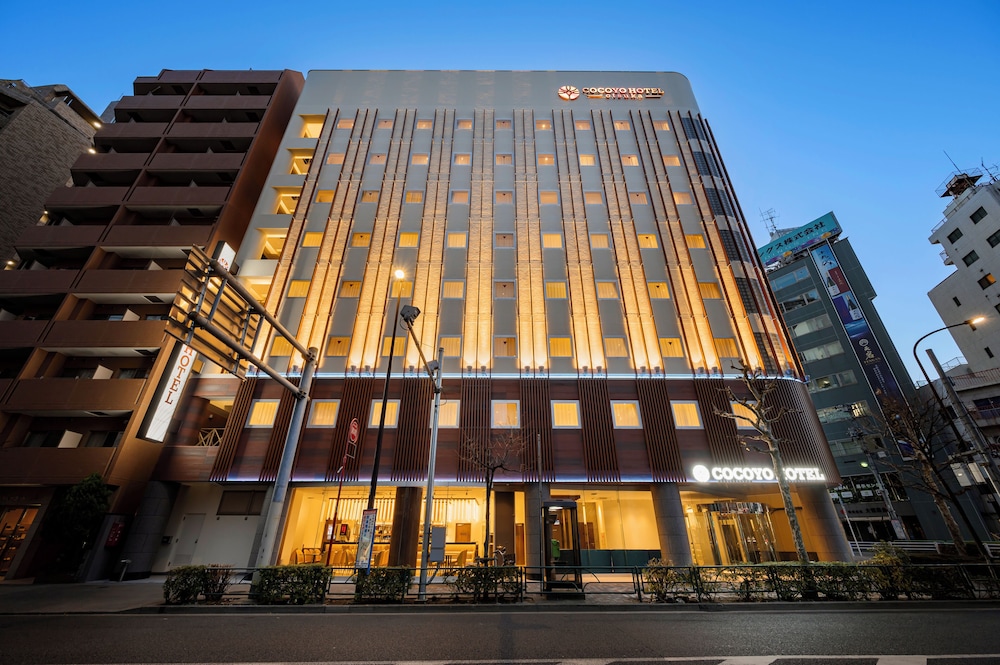
Based on public data
This hotel has little guest-verified firsthand data yet. 0 reports; thin data, conclusions stay cautious. High-value questions (upgrades, lounge, breakfast) stay marked insufficient — we label thin data, we never fabricate.
Contribute a stay report06External scores · reference only, not verified
External aggregates never count as verified, and this page never shows a price.
Rooms & Views
2 Twin Beds, 2 Large Twin Sofa Beds and 2 Twin Futons 624-sq-foot room with city views Internet - Free WiFi 25+ M…
3 Twin Beds, 3 Twin Futons and 2 Large Twin Sofa Beds 624-sq-foot room with city views Internet - Free WiFi 25+ M…
2 Twin Beds and 3 Twin Futons 484-sq-foot room with city views Internet - Free WiFi 25+ Mbps Entertainment -…
2 Twin Beds and 2 Large Twin Sofa Beds 441-sq-foot room with city views Internet - Free WiFi 25+ Mbps Entertai…
2 Twin Beds and 1 Large Twin Sofa Bed 269-sq-foot room with city views Internet - Free WiFi 25+ Mbps Entertain…
2 Twin Beds 183-sq-foot room with city views Internet - Free WiFi 25+ Mbps Entertainment - 55-inch flat-scree…
2 Twin Beds 172-sq-foot room with city views Internet - Free WiFi 25+ Mbps Entertainment - 55-inch flat-scree…
T2 · Official booking system. Actual features may vary.
Restaurants nearby
- NegimaBib Negima-nabe, a tuna and spring onion stew, is a tradition handed down since the days of the shoguns. At a time when lean meat was treasured, this stew was contrived as a way of lightening the texture of toro, the fatty cut of tuna. Enchanted with Edo-era cooking, the proprietress of Negima revived it. True to original recipes, the dish uses neither kombu nor mirin. The meal ends with ‘pepper rice’, a dish of fresh-cooked rice seasoned with broth from the pot and pepper. Sample the pure cooking that true Edo-ites have always loved.263m
- Sosakumenkobo NAKIRYUBib ‘Nakiryu’ means ‘roaring dragon’. The name is rich with meaning: it’s a reference to the dragon of Yakushido Hall in the Nikko Toshogu Shrine, to hopes for business growth, and to the couple who craft bowls of ramen together in perfect sync, both born in the Year of the Dragon. Dandan noodles create a synergy of flavours—layering meat miso, Chinese sesame paste, and chilli oil for a deep, amplified umami. Soy-sauce ramen owes its elegant flavour to its soup, drawn from whole chicken and oysters. À la carte items such as steamed chicken with spicy sauce and shrimp wontons exemplify experience w735m
- Japanese Ramen GokanBib The food looks great, the aroma whets the appetite, the flavour captivates: this ramen sets all five senses tingling. The word ‘Japanese’ in the shop’s name indicates that this is authentic Japan-made ramen; the name is written in Latin script to proclaim Japan’s comfort food to the world. Flavours of each region come together in a single bowl: salt ramen with shijimi and hamaguri clams; soy-sauce ramen with free-range chicken and kombu. Ceramic bowls handmade by a potter are used instead of porcelain. From ingredients to dining ware, the shop revisits the bounty and wonder of Japanese food cu856m
- Katchar BatcharBib From the north, butter chicken; from the west, pork vindaloo; shrimp curry from the south – such a lineup of flavours from every region of India adds breadth to the joy that is Indian cooking. Tandoori chicken and vegetables are cooked using the radiant heat of a tandoor. For spices, the basic triad is cumin, coriander and turmeric. To keep the flavours of meats and vegetables at the fore, the number of spices is kept to a minimum.857m
- Kagurazaka Ishikawa★★★ MichelinTabelog Silver Hideki Ishikawa’s guiding principle is ‘mui-shizen’: serve cuisine that is true to nature, free from artifice. Flavours are light, respecting each ingredient. Simplicity makes presentations all the more impressive, with consideration for harmony among flavours. Niigata rice is cooked fresh and served in earthen bowls, imparting the taste of the chef’s homeland. Kitchen and service staff work together with the practised solidarity of a well-rehearsed team.3.9km
- Mejiro ShunkoteiBib ‘Novel yet nostalgic Western food’ is the theme here. Hamburger steaks with dollops of demi-glace sauce and gratin dressed in silky smooth béchamel sauce are prepared in time-honoured ways, bringing back the flavours of the good old days. Decompression-prepared salad offers rich flavours and uniquely fresh textures. Unchanging methods combine with advanced cooking techniques declare a new approach to Western favourites.2.3km
- Mejiro ZoromeBib Unagi are dressed, skewered and grilled over high-grade charcoal. From the counter seats, the whole series of cooking scenes can be observed. The unagi are kept alive in purifying tanks until they are dressed, then dipped three times in sauce and grilled Edo-style. Sauce is used sparingly, letting the flavour of the fish speak for itself. Rice cooked somewhat firm, and freshly ground sansho pepper deliver a distinctive touch. Skilful restraint shows in the short steaming time and sparing use of sauce.2.4km
- Kohaku★★ Michelin Experimentation with new flavours blows winds of innovation into Japanese cuisine. The chef’s purview extends to Western ingredients such as truffle and caviar. Reverence for dashi, however, keeps his dishes within the bounds of Japanese cuisine. The chef treads a unique path, weaving creativity and Western flamboyance into Japanese fare. The counter seats are always fully booked but, with luck, a cancellation might make the private dining room available.4.0km
- Guchokuni★ Michelin Rooted in the fundamentals of Japanese cuisine, the chef brings individuality to simple presentations. Ingredients arrive from his native Nagano. Sarashina soba from Matsumoto is paired with seasonal produce, while Koshihikari rice from northern Nagano is prepared as takikomi-gohan. The meal concludes with a tomewan, a closing soup, enriched with Shinshu miso. The restaurant’s name is the credo his mentor left him, to cook with ‘simple honesty’, an approach that shines through in every dish.3.6km
- FUSHIKINO★ Michelin ‘Fushikino’ is a mashup of two words, one referring to a Zen phrase, and the other meaning ‘mysterious’. Together, they suggest things that never before existed. The restaurant’s aim is to create something unprecedented, an unexpected culinary experience made possible through the trinity of food, sake and utensils. The menu lists familiar items of Japanese cuisine, but one-of-a-kind touches manifest in subtle details, such as onion soy sauce and aged ponzu sauce. Drink pairings of one cup per dish, served in sake cups lovingly produced by modern artists, are an entertaining grace note.3.8km
Includes Michelin / Black Pearl / guide picks (reference quality, no prices); data from Overture, Michelin Guide and others.
Attractions nearby
- St. Mary's Cathedral seat of the Roman Catholic Archdiocese of Tokyo2.3km
- Tokyo Dome indoor stadium in Bunkyō, Tokyo, Japan3.9km
- Tokyo National Museum art museum in Tokyo, Japan4.8km
- Yasukuni Shrine Shinto shrine in Tokyo, Japan4.8km
- Ueno Imperial Grant Park park in Tokyo, Japan4.7km
- Ueno Zoo zoo in Tokyo, Japan4.4km
- National Museum of Western Art art museum in Tokyo, Japan4.9km
- National Museum of Nature and Science National Science Museum in Tokyo, Japan4.9km
Attraction data from Wikidata (CC0) — reference only.
Related community discussion
Start a discussionCommunity posts are member discussion. They are not used as verified records until separately reviewed.
No related posts yet
Start the first public discussion for this hotel or its program.