Guest-guided hotel insights
HOTELみなと-MINATO-
Based on public data
This hotel has little guest-verified firsthand data yet. 0 reports; thin data, conclusions stay cautious. High-value questions (upgrades, lounge, breakfast) stay marked insufficient — we label thin data, we never fabricate.
Contribute a stay report06External scores · reference only, not verified
External aggregates never count as verified, and this page never shows a price.
Rooms & Views
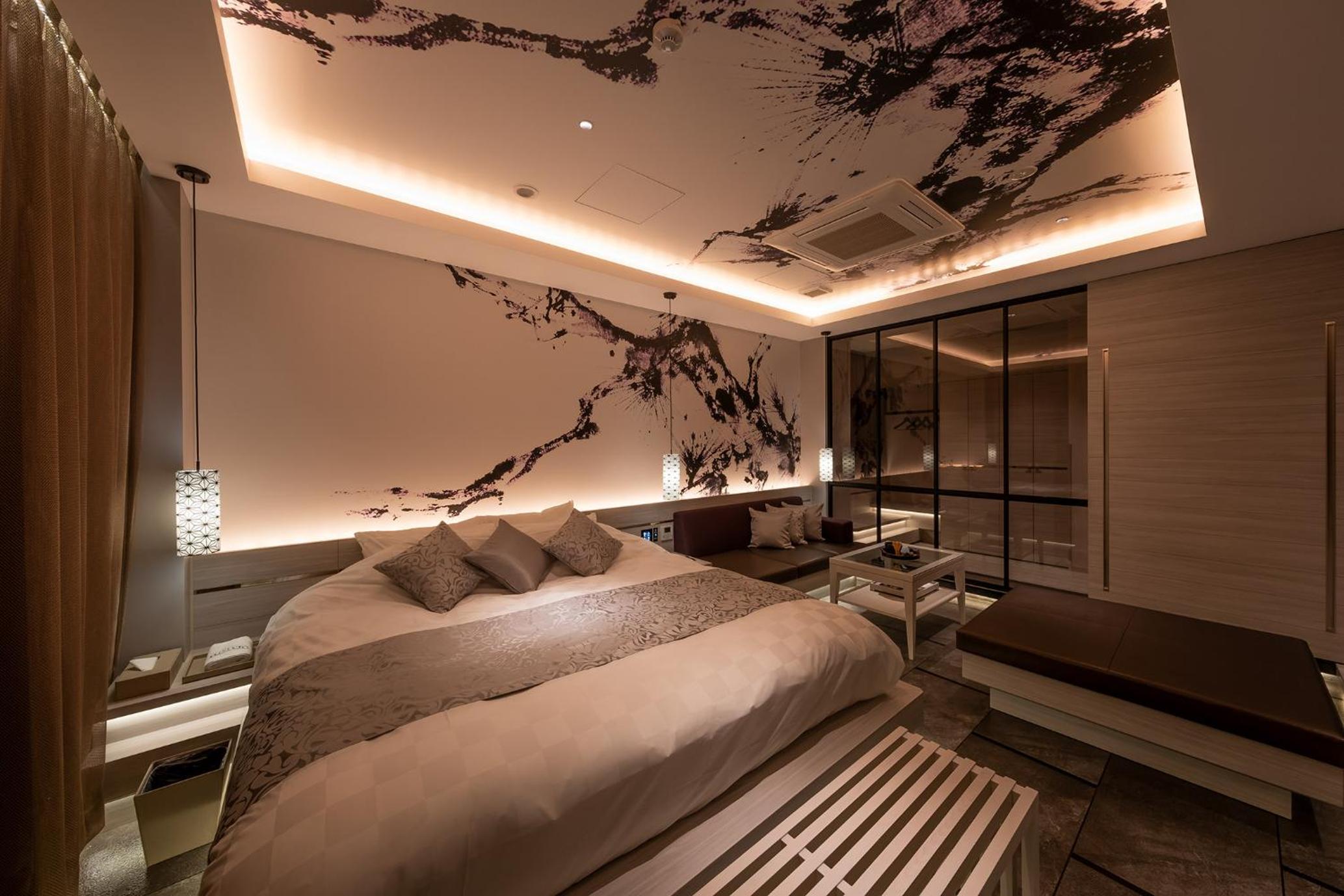
This suite's standout features are the private open-air bath and sauna. The spacious suite features 1 bedroom and 1 bath…
This suite features a sauna. The air-conditioned suite features 1 bedroom and 2 bathrooms with a bath and a bidet. The s…
T2 · Official booking system. Actual features may vary.
Restaurants nearby
- Myojaku★★★ Michelin Hidetoshi Nakamura’s cuisine embodies harmony, subtlety, and purity. With minimal seasoning, he captures each ingredient’s subtle trace in water— using only water and sea salt. Mountain and sea are intimately linked through water. Nakamura reminds us that we are a part of the magnificent connection between Nature and her laws. This elegant aesthetic, of beauty through simplicity, exudes modesty, returning us to a spirit of gratitude for the natural world.352m
- L'Effervescence★★★ MichelinTabelog SilverBlack Pearl 2◆ Shinobu Namae welcomes guests in the spirit of ‘ichiza-konryu’, the philosophy that a restaurant is built on connections among chefs, staff, guests and food producers. The gastronomy and culture of Japan are here expressed through prix fixe menus. After the aperitif, the steaming hot risotto arrives―its inspiration drawn from the freshly cooked rice in 'chakaiseki' and brimming with the seasonal bounty of both mountain and sea. ‘Artisanal Vegetables’, the signature dish, is an homage to farmers. Weak matcha tea, borrowed from the etiquette of the Sowa tea ceremony, signals the meal’s end.356m
- Nishiazabu Taku★ Michelin Back when there weren’t many sushi restaurants in Nishi-Azabu, the chef was determined to blaze a trail here. And ‘blaze a trail’ is basically what Taku means. The same trailblazing was what led him to be among the first sushi chefs to hire a sommelier, and to spread sushi culture in Hawaii. The variety of his omakase set meals, which start at 30 items, is eye-popping. Nigiri items alternate with drinking snacks. Sushi rice may be seasoned with white or red vinegar, depending on the fish topping—another trailblazing move.90m
- Nishiazabu Sushi Shin★★ Michelin The movements are those of one immersed in the world of nigiri. On the fingertips of the left hand balances a piece of fish; clutched in the right, a fistful of sushi rice; the tip of the forefinger applies wasabi. Pushing, occasionally pulling, and scoring in delicate strokes, the single-edged knife crafts hidden incisions to help flavour soak in and heat travel through. Gracefully flowing motion, fine-tuned through daily practice, is the simplicity that holds countless truths. The spirit of nigirizushi is in capable hands with Shintaro Suzuki.505m
- Sukiyabashi Jiro Roppongiten★★ Michelin These days more and more guests are asking where the fish are caught. ‘If we could eat sushi where it’s caught, we wouldn’t need markets!’ retorts chef Takashi Ono. Discernment is a faculty built only slowly through long years of experience and knowledge. Along the way Ono has cultivated bonds of trust with seafood brokers, enabling him to source quality. The markets are the classic tale of ‘giri’ and ‘ninjo’, human connections forged in duty and loyalty. Sushi in purest form, stripped to its essence.580m
- Towa★ Michelin The name is both a play on the owner’s name and a prayer for everlasting prosperity. The menu combines kaiseki and beef, showcasing Japan’s famous wagyu. Tsukuri and wanmono start the evening, celebrating the season. A procession of wagyu variations follows: beef-tail spring rolls, char-grilled tongue, and a main dish of beef cutlet. Japanese and beef dishes delight in equal measure.217m
- PRISMA★★ Michelin Standing alone in his kitchen, Tomofumi Saito engages with Italian cuisine in earnest. His attention to detail is relentless, from the cuisine itself to the music, flowers and other elements. Seating is limited to ensure each dish gets his undivided attention. When he creates new menu items, there are no prototypes: he pushes himself hard to create inventive cuisine found nowhere else. 'Prisma' means 'prism' in Italian and the high standards Saito demands of himself shine in a rainbow of culinary inventiveness.610m
- Kappo Muroi★ Michelin Drawing on techniques honed in Japanese cuisine and guided by a keen curiosity, the chef explores inventive approaches to ingredients from his own unique perspective. Served as an interlude, niebana, half-steamed rice, is cooked in kombu dashi to incorporate its umami. Fried dishes are coated in rice flour and prepared as kosen-age, speckled with cracker crumbs, for added aroma. The chef learned tradition at a Kyoto ryotei and innovation at a Tokyo kappo, a journey reflected in his menus.237m
- Jushu★ Michelin The crest on the shop curtain depicts a Eurasian magpie, the official bird of Saga Prefecture, in flight. The same motif is embroidered on the cooks’ whites. From his native Saga, the chef sources rice, Imari beef and yuzu pepper. Serving vessels of Karatsu and mid-Edo-period Imari are a point of pride. In a nod to Osaka experience, each dish is served once the previous one has been consumed. No food is wasted, and for the same reason decorative vegetation is never used. Grilled items are served with rice and soup, as in a set meal, expressing the restaurant's free-spirited character.285m
- Hakuun★★ Michelin ‘Hakuun’ is a Zen term meaning ‘white cloud’, denoting a spirit of flowing leisurely along without worldly attachment. The name proclaims the restaurant’s flexible approach to Japanese cuisine. Fragrance and temperature are prized. Bonito is shaved and dashi drawn before guests’ eyes. Wanmono is served at the perfect moment, when harmony between broth and main ingredient reaches its fullest expression. Beef and game, char-grilled and straw-roasted, display originality and skill. Norms are observed while evolution is encouraged.731m
Includes Michelin / Black Pearl / guide picks (reference quality, no prices); data from Overture, Michelin Guide and others.
Attractions nearby
- National Art Center, Tokyo art museum in Tokyo, Japan549m
- Tokyo Tower tower in Tokyo, Japan2.0km
- Chichibunomiya Rugby Stadium rugby stadium in Tokyo, Japan1.4km
- Shibuya scramble crossing scramble crossing in Tokyo, Japan2.1km
- Meiji Jingū Shinto shrine in Tokyo, Japan2.8km
- Yoyogi Park park2.6km
- Mode Gakuen Cocoon Tower building in Tokyo, Japan4.2km
- Yasukuni Shrine Shinto shrine in Tokyo, Japan4.1km
Attraction data from Wikidata (CC0) — reference only.
Related community discussion
Start a discussionCommunity posts are member discussion. They are not used as verified records until separately reviewed.
No related posts yet
Start the first public discussion for this hotel or its program.