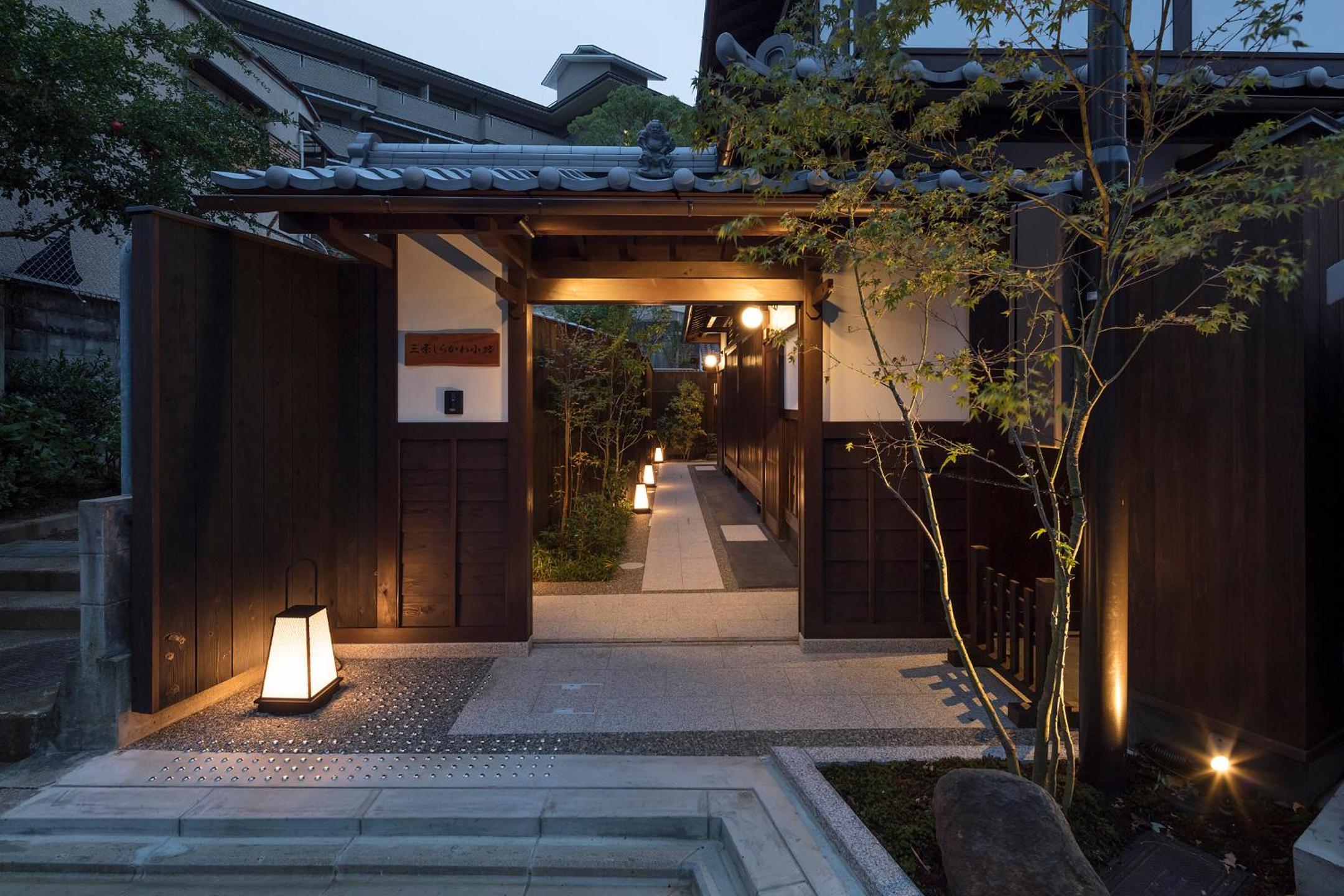
Based on public data
This hotel has little guest-verified firsthand data yet. 0 reports; thin data, conclusions stay cautious. High-value questions (upgrades, lounge, breakfast) stay marked insufficient — we label thin data, we never fabricate.
Contribute a stay report06External scores · reference only, not verified
External aggregates never count as verified, and this page never shows a price.
Rooms & Views
2 Large Twin Beds, 2 Twin Beds and 4 Twin Futons 904-sq-foot room with garden views Layout - 3 bedrooms, living r…
This holiday home's standout feature is the hot tub. Featuring a private entrance, this air-conditioned holiday home is…
The hot tub is the standout feature of this holiday home. Boasting a private entrance, this air-conditioned holiday home…
2 Twin Beds and 4 Twin Futons 710-sq-foot room with garden views Layout - 3 bedrooms and dining area Internet…
2 Twin Beds and 3 Twin Futons 689-sq-foot room with garden views Layout - 2 bedrooms, living room, and dining are…
This holiday home's standout feature is the hot tub. Featuring a private entrance, this air-conditioned holiday home is…
1 Double Bed and 2 Twin Futons 592-sq-foot room with garden views Layout - 2 bedrooms, living room, and dining ar…
The hot tub is the standout feature of this holiday home. Boasting a private entrance, this air-conditioned holiday home…
T2 · Official booking system. Actual features may vary.
Restaurants nearby
- Hyotei★★★ Michelin The aesthetic of ‘wabi-sabi’, restraint and impermanence, breathes in the walls of this veteran ryotei. The garden of moss-covered stone lanterns and washbasins, channels flowing with clear streams from Lake Biwa and a still, quiet tea arbour all give it a shadowed atmosphere. Hyotei eggs are a tradition handed down through generations from the founder. Eiichi Takahashi changed the dashi from dried bonito to dried tuna; tomato and soy sauce gracing Akashi sea bream sashimi is a permutation courtesy of the current chef, Yoshihiro Takahashi. Over the years, layers of innovation build up to cater593m
- Mizai★★★ Michelin The ambience is still, like a mountain retreat in the heart of the city. The flicker of votive lanterns casts a tenor of rustic simplicity. While he worked to polish his cooking skills, Hitoshi Ishihara also encountered Zen teachings. Inspired by the wabicha spirit of the tea ceremony, Ishihara strives to host each dinner as a single gathering, with guests and host in close communication. Generous portions reinforce the mood of celebration. ‘Mizai’ is a Zen word meaning ‘not yet here’; for Ishihara, tireless self-improvement is a never-ending journey.609m
- Higashiyama Tsukasa★ Michelin The menu is always original, thanks to the insatiable curiosity of the chef. Declining to be bound by Japanese cuisine, he makes pleasing diners his top priority instead. Rice paper rolls, an idea from Vietnam, are made with Japanese ingredients that change with the season. Meals conclude with dishes such as spicy curry rice or rice topped with raw egg and XO sauce. A freewheeling imagination entices with familiar ingredients such as dashi and miso used in unpredictable ways.118m
- Kikunoi Honten★★★ Michelin Kikunoi is spreading the word worldwide about the allure of Japanese cuisine. Yoshihiro Murata sets his sights on innovation while evangelising Kyoto’s graceful ryotei culture. Occasionally Western ingredients get added to the mix, infusing a contemporary sensibility. Change accumulates in layers here, as a result of shifting personnel: Chef Murata invites trainees from overseas to pass on to them the true nature of Japanese cuisine and Japanese traditions of service. Fixing his gaze on the future of Japanese cooking, Murata cultivates the next generation of chefs.767m
- LURRA˚★ Michelin The name is a mashup of ‘Luna’ and ‘Terra’, Earth and Moon – a trip around the world that starts here. The theme is a showcase of season and culture. Combining the seasons of Japan with food cultures from countries around the world, the restaurant concocts dishes of exuberant creativity. Uniquely, main dishes are crafted with vegetables from Ohara and Fushimi, and grilled onigiri caps the meal. The many and varied pairings are a source of delight.192m
- Kyo Seika★ Michelin The restaurant is temporarily closed. It's planned to reopen in September. Shizuo Miyamoto’s quest is for his own style of Chinese cooking with a seasonal aesthetic. Fish in season is stir-fried with chilli peppers; spring rolls are wrapped in three types of ingredients, so each mouthful tastes different from the one before. Counter seating, right in front of the kitchen, builds diners’ anticipation amidst the clatter of woks and aroma of food. At ‘Kyo Seika,’ graciously hosted by the Miyamoto couple, lively conversation between the veteran chef and his guests imparts joy to the meal.372m
- Kodaiji Wakuden★★ Michelin This ryotei began life as a restaurant and ryokan in Kyotango. With the rustic beauty of the Tango countryside and the refinement of Kyoto as its themes, Kodaiji Wakuden is opening a new era in ryotei culture. Crab, a speciality of the restaurant’s birthplace, is cooked in a sunken hearth, a hole strikingly carved in the middle of tatami seating. Also remarkable is the tradition of this establishment, the flagship of the Wakuden group of restaurants, of appointing carefully selected young chefs to run it, to invite the fresh breeze of new ideas, guided by a philosophy of constant innovation.767m
- Gion Maruyama★★ Michelin Flowers are arranged, the ceremonial space is well appointed, serving vessels are carefully chosen. The tea ceremony spirit pervades Gion Maruyama’s graceful service. The Gion location is a ryotei but, in a modern touch, it also features counter seating. The chef has spent many years seeking out delicious flavours. He spells ‘oishii’ (good-tasting) the old-fashioned way, with the characters that mean ‘beautiful’ and ‘taste’, recalling the sensibilities of an older time. ‘Flavour, not seasoning’ is the chef’s credo. Devotion to Kyoto cuisine that reverberates in all senses.805m
- Ryō-shō★★ Michelin The chef has made himself a master of old-school Japanese cuisine to take it to the next level. While respecting orthodoxy in wanmono and side dishes, he refers to French flameworking techniques for his grilled items and snacks. Masu salmon is served mi-cuit; beef is rested multiple times during grilling. The sukiya-style interior in a remodelled wooden townhouse is appointed with both antique and modern dishware. ‘Ryosho’ means ‘aspire to the heavens,’ and the sky’s the limit for the chef’s ambition and desire to better himself.835m
- Gion Matayoshi★★ Michelin ‘Strive for simplicity, elevated by technique’ is the chef’s credo. Prizing seasonal flavours above all, he visits production areas the length and breadth of Japan. At first glance, the food arrangements and serving-ware appear ordinary, but each detail reveals the meaning of Japanese cuisine and patiently cultivated skill. Experience the graceful culture and hospitality of the tea ceremony, learned at a long-established ryokan, in a counter dining setting.835m
Includes Michelin / Black Pearl / guide picks (reference quality, no prices); data from Overture, Michelin Guide and others.
Attractions nearby
- Kiyomizu-dera Temple Buddhist temple in Higashiyama, Kyoto1.5km
- Yasaka Shrine Shinto shrine in Kyoto, Japan587m
- Chion-in Temple Buddhist temple in Kyoto Prefecture, Japan403m
- Heian Jingū Shinto shrine in Kyoto Prefecture, Japan923m
- Heian-kyō former name of Kyoto, capital of Japan 794–18681.6km
- Sanjō Ōhashi Bridge bridge in Kyoto, Japan876m
- Nanzen-ji Temple building in Kyoto Prefecture, Japan1.2km
- Honnō-ji Temple Buddhist temple in Kyoto, Japan1.2km
Attraction data from Wikidata (CC0) — reference only.
Related community discussion
Start a discussionCommunity posts are member discussion. They are not used as verified records until separately reviewed.
No related posts yet
Start the first public discussion for this hotel or its program.