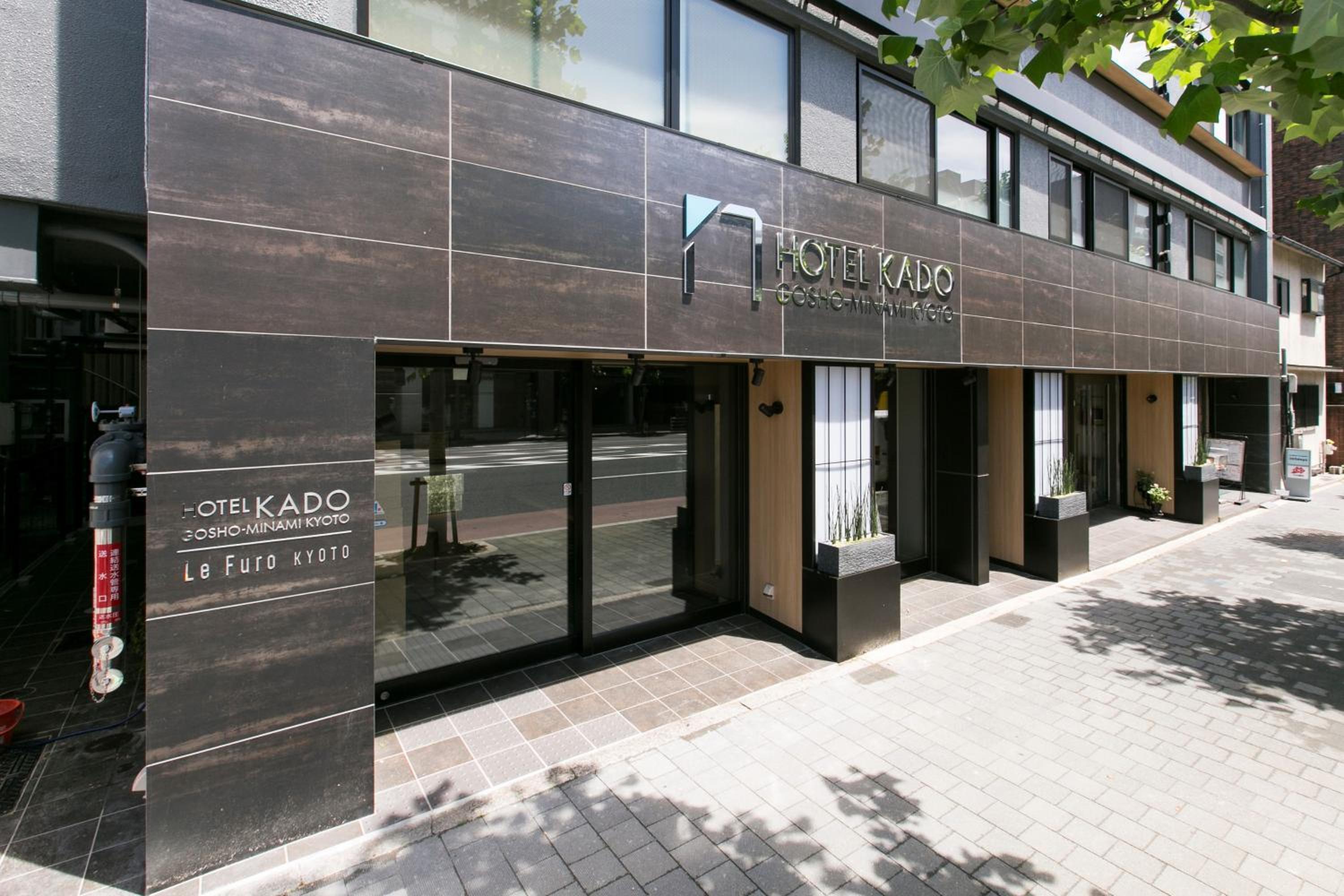
Guest-guided hotel insights
Hotel Kado Gosho-Minami Kyoto
Based on public data
This hotel has little guest-verified firsthand data yet. 0 reports; thin data, conclusions stay cautious. High-value questions (upgrades, lounge, breakfast) stay marked insufficient — we label thin data, we never fabricate.
Contribute a stay report06External scores · reference only, not verified
External aggregates never count as verified, and this page never shows a price.
Rooms & Views
Offering free toiletries, this suite includes a private bathroom with a bath, a bidet and a hairdryer. In the kitchen, g…
2 Double Beds and 3 Twin Futons 723 sq feet Internet - Free WiFi Entertainment - 40-inch flat-screen TV with…
Offering free toiletries, this suite includes a private bathroom with a bath, a bidet and a hairdryer. In the well-fitte…
Offering free toiletries, this suite includes a private bathroom with a bath, a bidet and a hairdryer. The well-fitted k…
2 Twin Beds 302 sq feet Internet - Free WiFi Entertainment - 40-inch flat-screen TV with digital channels F…
Offering free toiletries, this twin room includes a private bathroom with a bath, a bidet and a hairdryer. The well-fitt…
Featuring free toiletries, this twin room includes a private bathroom with a bath, a bidet and a hairdryer. Meals can be…
Offering free toiletries, this twin room includes a private bathroom with a bath, a bidet and a hairdryer. The air-condi…
2 Twin Beds 241 sq feet Internet - Free WiFi Entertainment - 40-inch flat-screen TV with digital channels F…
T2 · Official booking system. Actual features may vary.
Restaurants nearby
- Bini★ Michelin The chef experienced the profundity of local cooking in Italy and learned about fermented cuisine in Switzerland. In Kyoto, he happened upon the charm of Ohara’s agricultural produce. He then set about creating cuisine as only this terroir could make possible, accented by the sourness and bitterness of fermented vegetables. ‘Bini’ is named after his Italian mentor—his dearly-missed father figure in Italy. The name expresses gratitude for teaching him the joy of cooking and guiding his early career.96m
- Mirei★ Michelin The owner and chef are a picture of brisk motion behind the counter. Offerings range from simple fare to more elaborate dishes, so everyone can choose something they fancy. Soups of ground vegetables and fruit mark each season. Potato salad is served Mirei-style: adding cucumber pickled in rice bran. Nama-fu (a steamed mixture of wheat gluten and rice flour) baked with blue cheese shows the house’s playful side. When a single dish is prepared, the owner asks if we’d like him to split it for us—a considerate touch.139m
- Muromachi Yui★★ Michelin Omakase dishes reflect the turning of the seasons; hassun platters convey the month’s events and customs. Dedicated to fresh-from-the-kitchen deliciousness, white rice is served the moment it’s cooked. A generous assortment of accompaniments, such as dried mullet roe, dried baby sardines with pickled plum and savoury seaweed paste, brings joy. ‘Yui’ is short for ‘yuiitsu-muni’, or ‘one and only’. Unique cuisine and unmatched décor captivate diners.535m
- Gosho Iwasaki★ Michelin As a ryotei cook, the chef learned never to forget the basics of Kyoto cuisine. In a mark of respect, the meal begins with a cup of sake. The chef expresses his commitment to gracious service through the passion he devotes to his cooking. Tilefish sashimi is lightly salted, enhancing flavour. Instead of simmered vegetables, hot-pot cooking is offered. Prizing engagement with his guests, the chef works his magic right before their eyes. The surest sign of a sincere craftsman is earnest devotion to his craft.175m
- Nakamitsu★ Michelin The chef is an earnest devotee of everything that makes a restaurant great, thanks to careful study of ingredients, culinary technique and attention to every customer. Recipes are tested over and over to get the flavour just right. Knowing that the taste of dashi soup stock changes over time, the chef patiently rests his stock to draw out the flavour. While known to refer to traditional methods, alternations between new and old are a signature of Nakamitsu’s menus.227m
- MOKO★ Michelin Alexis Moko polished his skills in Paris and London before decamping to Kyoto. Encountering an old merchant’s house that had once served as a dietary school, he opened a restaurant where he could express his knowledge of French cuisine through Japanese ingredients. Moko makes the most of the freshness of vegetables from nearby Ohara while ageing fish and meat in a curing warehouse to amplify umami. Dishes inspired by classic cuisine are dressed generously in sauces to create a light, refreshing touch.234m
- Isshisoden Nakamura★★★ Michelin The house began life as a travelling fishmonger, carrying fish from Wakasa Bay to scattered markets, then gradually transitioned into a restaurant. The sixth-generation head, Motokazu Nakamura, took over the reins having been the only one entrusted with the craft he learned at his father’s side. For the white miso zoni, he only uses water drawn from a well on the premises to dissolve the miso. Sake-grilled tilefish is doused in sake multiple times, piling flavour on top of flavour. The chef tends the kitchen with his son, who trained abroad, passing skills and spirit from one generation to the876m
- Vena★ Michelin The chef brings out the best in seasonal ingredients to conjure simple, tasty fare. Early morning market visits, part of his daily routine, furnish the ingredients that inspire ideas for his kitchen. Pasta of sweetfish and crab, simmered in their own broth, express the candid flavours of the season. Wines that bring out the flavours of each dish are part of the appeal of Vena. Ask the sommelier about the house’s range of finely aged wines.247m
- Kiyama★ Michelin Water drawn from a well on the premises is where everything starts for Kiyama. Prix fixe dining begins with the service of plain hot water. The first infusion of dashi is prepared before the guests’ eyes, its aromatic fragrance and clear, refined flavour enlivening each simmered bowl. As the meal draws to a close, the proprietor himself prepares and serves thin tea, a weak matcha. The menu is a hymn of thanks for the pure groundwater of Kyoto that brings out the best in each dish.331m
- Tsujifusa★ Michelin Fusa means ‘linen’ or ‘hemp cloth’, which is used in Shinto rituals to symbolise cleanliness. The word was chosen for the restaurant’s name because, like Japanese cuisine, it developed from an origin as a sacred offering, and indeed the shop curtain hanging at the shop’s entrance is woven of pure linen. As part of his daily duties, the owner-chef prays at Ujiko Shrine and draws pure votive water from there. The proprietress, a qualified sommelier, suggests pairings of sake and wine.405m
Includes Michelin / Black Pearl / guide picks (reference quality, no prices); data from Overture, Michelin Guide and others.
Attractions nearby
- Nijō Castle castle in Kyoto, Japan1.2km
- Heian-kyō former name of Kyoto, capital of Japan 794–18682.0km
- Honnō-ji Temple Buddhist temple in Kyoto, Japan1.1km
- Sanjō Ōhashi Bridge bridge in Kyoto, Japan1.4km
- Kiyomizu-dera Temple Buddhist temple in Higashiyama, Kyoto3.4km
- Heian Jingū Shinto shrine in Kyoto Prefecture, Japan2.1km
- Yasaka Shrine Shinto shrine in Kyoto, Japan2.3km
- Kinkaku-ji Temple Zen Buddhist temple in Kyoto, Japan3.8km
Attraction data from Wikidata (CC0) — reference only.
Related community discussion
Start a discussionCommunity posts are member discussion. They are not used as verified records until separately reviewed.
No related posts yet
Start the first public discussion for this hotel or its program.