SAKURA Residence目黒駅前 Junior Suite
·Apartments
Air conditioningLift / ElevatorStaff adhere to local safety protocolsGuest rooms disinfected between staysCleaning standards that are effective against CoronavirusPhysical distancing rules followedAll 21 facilities +
04
Guest scores & sentiment
From — guest reviews · multi-source
Dimension scores · cross-source
Wi-Fi9.2
Service8.9
Location8.9
Value7.9
Rooms7.5
Cleanliness7.4
Facilities7.3
No checkout or paid ranking here — commission never drives content.
Book on FlyerTrip →R
Room types · 1
Room photos, bedding & descriptions; live rates & booking live on FlyerTrip (no checkout here).
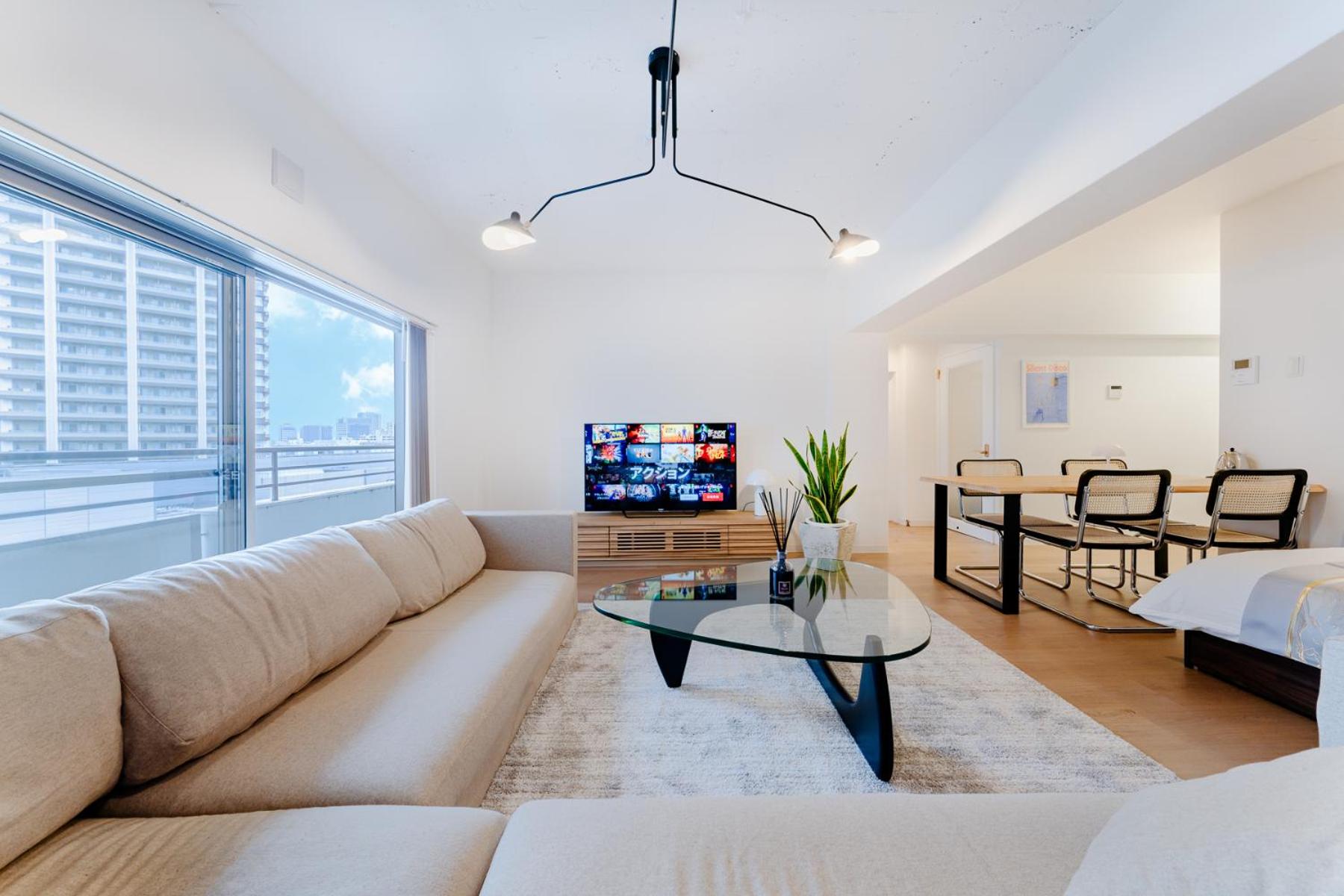
Two-Bedroom Apartment with City View
2 × Double bed61 ㎡up to 8
This spacious apartment comes with 2 bedrooms, a kitchen and 1 bathroom with a bath and a shower. The apartment's kitchen, which has a refrigerator and a microwave, is available for cooking and storing food. The air-conditioned apartment features a flat-screen TV, a tea and coffee maker, a dining area, a sofa as well as city views. The unit has 4 beds.
Rates / book on FlyerTrip →F
Facilities · 21
All facilities & services listed by the hotel (aggregated across sources).
Air conditioningLift / ElevatorStaff adhere to local safety protocolsGuest rooms disinfected between staysCleaning standards that are effective against CoronavirusPhysical distancing rules followedHand sanitizer in guest room and key areasSanitized tableware & silverwareContactless check-in/check-outGuests can opt-out any cleaning services during stayShared stationery like menus, pens are removedGuest room sealed after cleaningProperty cleaned by professional cleaning companiesPhysical distancing in dining areasProcess in place to check health of guestsAccess to health care professionalsScreens / Barriers between staff and guests for safetyInternet accessFree wired internetNon-smoking roomsNon-smoking throughout
N
Nearby & map
DiningSights
1
Joël Robuchon
French, Contemporary · ★ Michelin
¥¥¥
For Joël Robuchon, ‘emperor of French cuisine’, this eponymous restaurant is the jewel in the crown of the company. Kenichiro Sekiya, recipient of the prestigious Meilleurs Ouvriers de France (MOF) and heir to both the spirit and cuisine of his famous mentor, uses Japanese ingredients to breathe new life into French gastronomy. His interpretation of Le Caviar Imperial evolves from generation to generation. Even the trolley service is the pinnacle of luxury. A table of magnificence as befits the hall of the emperor.
1.0km
2
Jizozushi
Sushi · ★ Michelin
¥¥¥¥
The name derives from an image of a Jizo, the guardian spirit who looks over children, which the chef received from a Buddhist temple. The character for ‘sushi’ is an unusual choice, harking back to the fermented fish from which modern nigirizushi originated. The chef is deeply interested in literature and the classics. As snacks were not part of a sushi shop’s menu in the days of food stalls, the chef presents the range of toppings available before starting to form his sushi. Gizzard shad is moulded in the shape of the Edo-era Katsuyama hairstyle. In a relic of traditional practice, shrimp on
584m
3
Tempura Ginya
Tempura · ★ Michelin
¥¥¥¥
The chef has devoted his life to the path of the tempura craftsman. He watches his pot in silence, focusing on the sound of the oil. Frying his tempura on high heat, he teases out moisture to concentrate the flavour. Creative flourishes are avoided, letting the deliciousness of ingredients in season speak for itself. Batter thickness and flame heat are continually adjusted to produce a light and airy tempura. A traditional Japanese tea-house carpenter created the interior, transforming it into a graceful space.
881m
4
Alchimiste
French, Contemporary · ★ Michelin
¥¥¥
The pet theory here is that French cuisine does not add but multiplies: dishes are the product, not the sum, of their ingredients. The speciality is an espuma of sea urchin and Jerusalem artichoke, which is replaced with onion during summer. Food from sea and mountain mix, aiming at just the right temperature to melt in the mouth. To ensure consistency, vegetables are harvested from the chef’s own garden. Financier, served after the meal, offers a wry nod to the restaurant’s name, with a play on both the pastry and the financier as one who benefits from gold, echoing the alchemist’s quest to t
886m
5
Kabi
Innovative · ★ Michelin
¥¥¥
Northern Europe and Japan share comparable climates and have cultivated similar lore in fermentation. Building on his experience in Denmark, the chef cross-fertilised the fermentation cultures of the two countries to create a cuisine bursting with originality. The item simply labelled ‘Tsukemono’ or ‘Pickles’ is a traditional element of Japanese cuisine. Mackerel marinated in vinegar is mated with handmade miso. Ojiya, a kind of rice gruel, derives inspiration from fermented crucian carp sushi, a hometown-cooking favourite. The theme of ‘fermentation’ harmonises avant-garde with tradition.
1.1km
6
Quintessence
French, Contemporary · ★★★ Michelin
¥¥¥¥
The name comes from Shuzo Kishida’s passion for discovering the true essence of French cuisine. The chef pursues his quest through three processes: ingredients, flame and seasoning. For Kishida, ‘ingredients’ means deep respect for food producers, common to all aspects of cooking; ‘flame’ means flame-handling that is finely attuned to the fish or meat at hand; and ‘seasoning’ is flavouring that is tailored to each ingredient. The soul of cooking lies in this trinity. The white spaces on the menu leave space for your imagination.
1.9km
7
Sanwa
Italian
¥¥¥
‘Sanwa’ means ‘three-part harmony’: between producers, chefs and guests. The menu lists producers by name, linking them to guests through the chef. Prix fixe service begins with dry-cured ham and gnocco fritto. Meat dishes include venison and beef, both char-grilled. The meal ends with a pasta dish, as per convention. Sanwa exerts special effort to make each dish impressive, so the number of main ingredients is limited to three—a three-part harmony on the plate.
880m
8
Ensui
Japanese · ★★ Michelin
¥¥¥¥
Ensui means ‘flame and water’, celebrating the two starting points of Japanese cuisine: charcoal flame and water for soup stock. The pride of the house is its stew. Using water brought all the way from Kagoshima, dashi stock is drawn from aged kombu and high-grade bonito flakes. The soup ingredients are suffused with the aroma of charcoal, completing the theme. With the practiced hands of a craftsman, the chef weaves the soup ingredients and the soup broth into a harmonious whole. A natural curiosity drives him to scour producing regions for the best ingredients. A personal journey expressed t
1.8km
1
2
3
4
5
6
7
8
Click a row to locate it · distances are approximate. Data from Overture / Michelin / Wikidata.