NO SERVICE HOTEL azumabashi
·Inns
Air conditioningCoffee Shop on siteStaff adhere to local safety protocolsGuest rooms disinfected between staysPhysical distancing rules followedCashless payment availableAll 16 facilities +
04
Guest scores & sentiment
From — guest reviews · multi-source
Dimension scores · cross-source
Wi-Fi10.0
Cleanliness9.4
Location9.1
Facilities8.9
Rooms8.8
Value8.6
Service8.3
No checkout or paid ranking here — commission never drives content.
Book on FlyerTrip →R
Room types · 2
Room photos, bedding & descriptions; live rates & booking live on FlyerTrip (no checkout here).
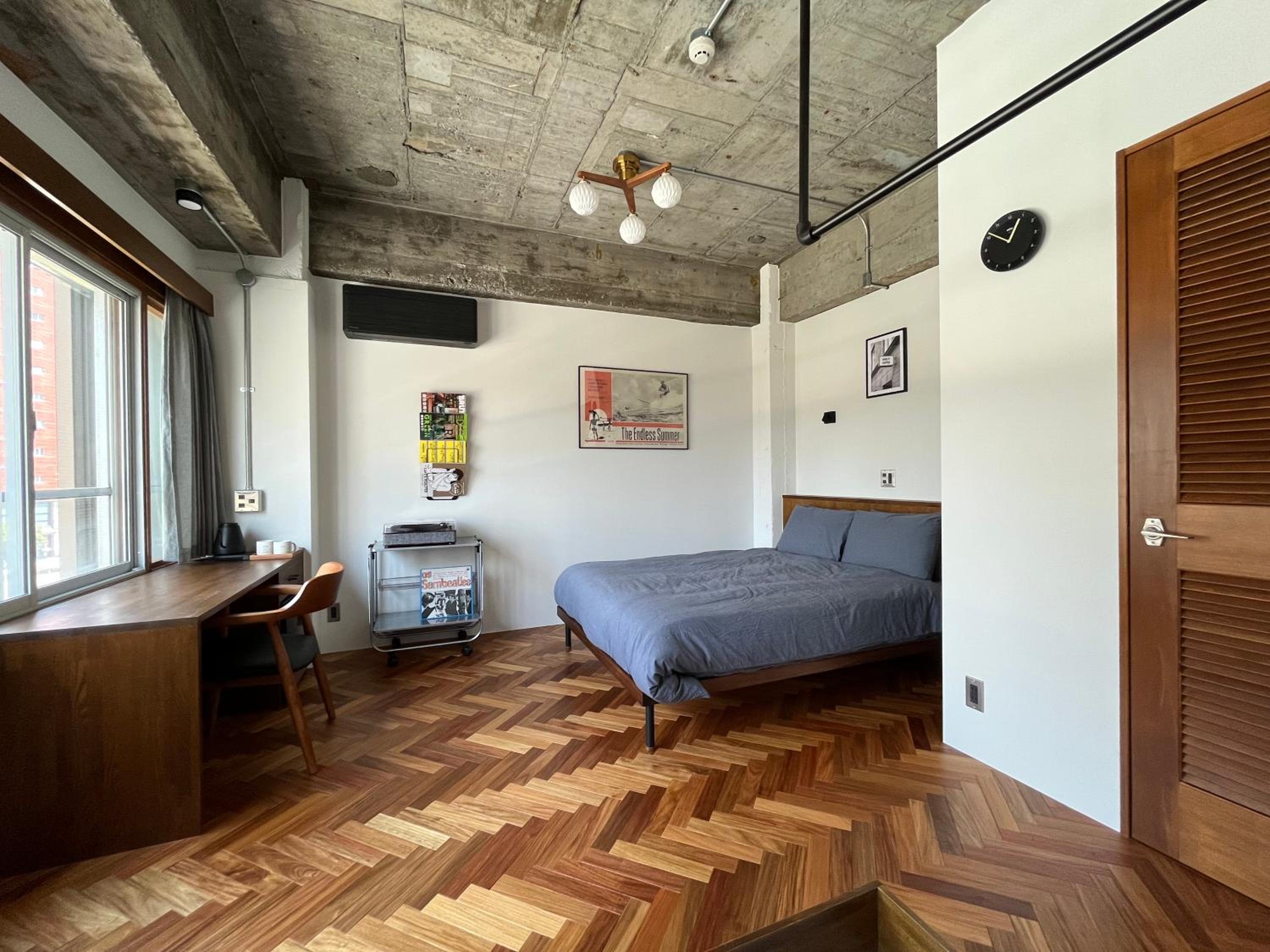
Double Room
1 × Double bed23 ㎡up to 2
The double room provides air conditioning, a tea and coffee maker, as well as a private bathroom featuring a shower and a bidet. The unit offers 1 bed.
Rates / book on FlyerTrip →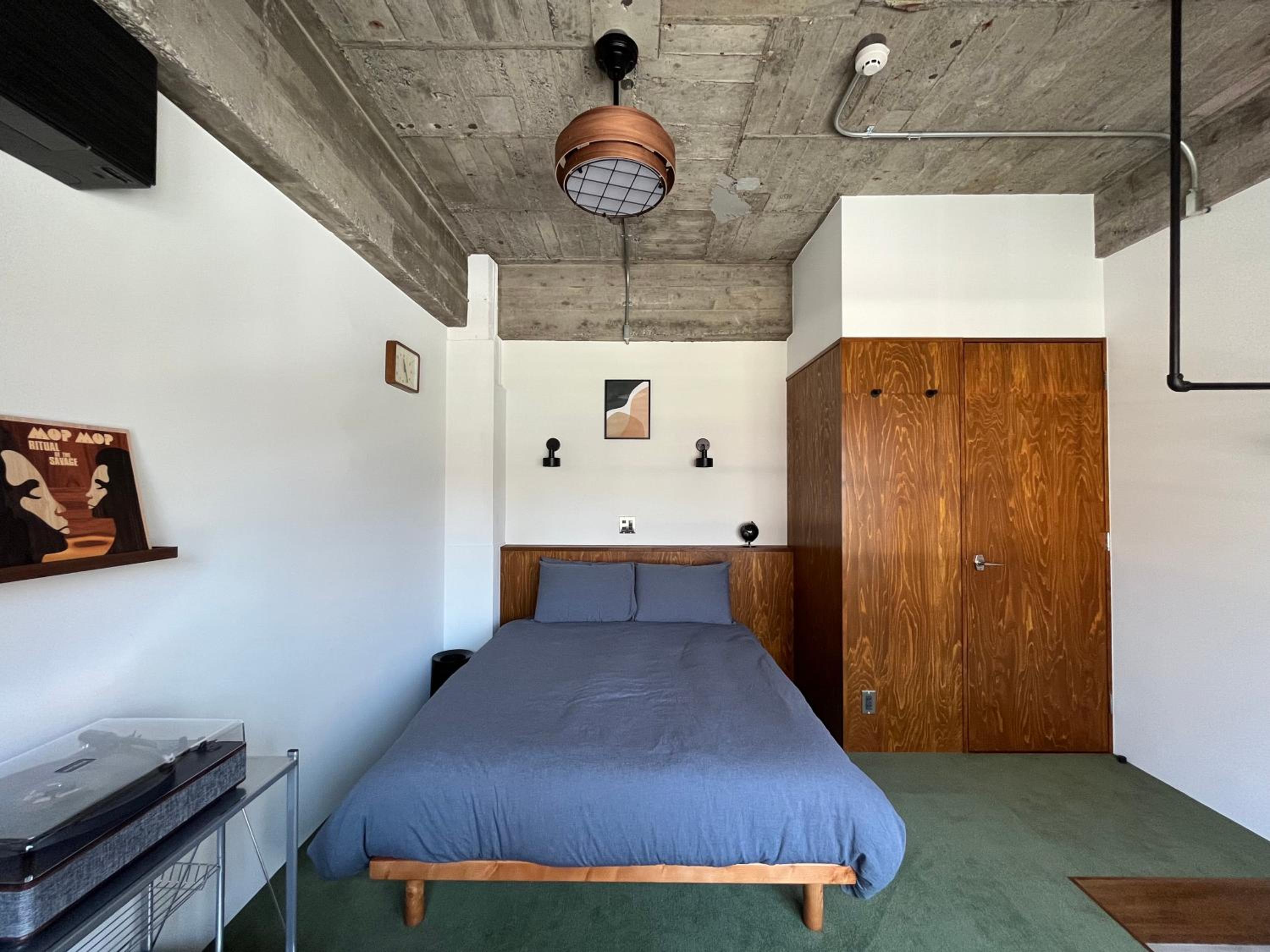
Double Room
1 × Double bed23 ㎡up to 2
The double room offers air conditioning, a tea and coffee maker, as well as a private bathroom boasting a shower and a bidet. The unit has 1 bed.
Rates / book on FlyerTrip →F
Facilities · 16
All facilities & services listed by the hotel (aggregated across sources).
Air conditioningCoffee Shop on siteStaff adhere to local safety protocolsGuest rooms disinfected between staysPhysical distancing rules followedCashless payment availableFire extinguishersContactless check-in/check-outGuests can opt-out any cleaning services during staySmoke alarmsGuest room sealed after cleaningProperty cleaned by professional cleaning companiesInternet accessFree wired internetNon-smoking roomsNon-smoking throughout
N
Nearby & map
DiningSights
1
Nabeno-Ism
French · ★ Michelin
¥¥¥¥
Black, white and orange are the tricolore of ‘Watanabe-ism.’ Black represents faith that cannot be tainted; white, the freedom to become any colour; and orange, the flame manipulated by the chef. On offer here is a fusion of French and Edo food cultures. Sobagaki is emulsified using French techniques; local Japanese elements include kaminari-okoshi, a roasted and flavoured mochi cracker; and monaka, a sweet of azuki bean paste sandwiched between crisp wafers. Watanabe-ism has deep roots in Asakusa-Komagata.
782m
2
HOMMAGE
French, Contemporary · ★★ Michelin
¥¥¥¥
‘Simple and minimal’ is Noboru Arai’s guiding philosophy, grounded in precision. Using few ingredients and minimal seasoning, he pursues a refined, elegant expression of French cuisine. He communicates regularly with chefs of other countries, borrowing from a wide range of culinary cultures in search of originality. While French in spirit, the proprietress greets guests in kimono—an Asakusa touch that reflects the charm of Tokyo’s traditional downtown.
1.3km
3
KOKYU
Contemporary
¥¥¥
A genre-defying cuisine paired with tea-based cocktails. While rooted in French techniques, the chef seamlessly weaves in elements of Chinese and Japanese cuisine. The duck dish, for instance, is prepared by ladling hot oil over the skin, much like Peking duck. The tradition of serving tea and sweets after a meal, known as ochauke, reflects Japanese hospitality. Chef and mixologist work in harmony, refining the distinctive world of ‘wither and decay’ or ‘kokyu’.
841m
4
Oku
Sushi · ★ Michelin
¥¥¥
Asakusa is a second hometown for the chef, who has lived here since his apprenticeship. He inherited both spirit and skill, along with tools and serving ware, from his mentor. He reveres the old teachings of the sushi world but does add a few twists of his own. He adds sweet potato shochu to rich soy syrup; to rolled omelette, he adds soy milk. The character for the chef’s surname of ‘Oku’ developed from a combination of the characters for ‘house’, ‘rice’ and ‘palm of hand’; a sign, he contends, that he was destined to run a place where he would fashion rice meals with his hands.
1.4km
5
Sugita
Tonkatsu · Bib
¥
‘Tonkatsu is food for the masses’, explains the second-generation chef, as he aims to serve up fare that is familiar and comforting. Copper pots polished till gleaming and plain wooden counters display a craftsman’s spirit. Two pots are used: one containing hot oil and the other cooler oil. Pork loin is shorn of extra fat and thinly battered. Tonkatsu is the star attraction, so no meat is added to the pork miso soup. As the chef works, a photo of his father in chef’s whites watches over him.
1.2km
6
Hatsuogawa
Unagi / Freshwater Eel · Bib
¥¥
A veteran eel shop loved by Asakusa locals since the early years of the 20th century. The restaurant is named after the previous proprietor, Hatsutaro; by happy coincidence, ‘ogawa’ means ‘little river’, the favoured habitat of eels. The current proprietor’s wife runs the restaurant with her family, preparing kabayaki with a sauce recipe handed down from the founder. It is a pleasure to wait, enjoying appetizers with sake, while the chef grills your eel. The many ‘senjafuda’, slips of paper posted on shrine pillars by worshippers, attest to the shop’s many loyal customers.
854m
7
grill GRAND
Yoshoku · Bib
¥
Beloved in Asakusa for three generations, this yoshoku restaurant treats demi-glace sauce as the soul of its kitchen. The most popular dish here is beef stew. Omurice is served with a choice of demi-glace or ketchup, a nod to the legacy shared between the former chef and his guests. The restaurant’s logo, a medieval-style shield adorned with the French tricolour, was inspired by a gift from a regular — a gesture that speaks to the warmth and goodwill of Tokyo’s traditional neighbourhoods.
1.1km
8
nôl
Contemporary · ★ Michelin
¥¥¥
‘Harmony’ and ‘circulation’ are the keywords of this dining experience. Through his partnerships with farmers, the chef returns compost to revitalise the soil. The prix fixe presentation starts with a bowl of soup. Vegetable ends are used in the soup’s creation, expressing a wish for a society that doesn’t waste food. Prepared with French techniques, the fare is simple and light. The grey of the interior creates something of a laboratory feel.
2.3km
1
2
3
4
5
6
7
8
Click a row to locate it · distances are approximate. Data from Overture / Michelin / Wikidata.