TOKYO LITTLE HOUSE
·Hotels
Guest education on local ecosystems and cultureAir conditioningFamily roomsLuggage storageStaff adhere to local safety protocolsGuest rooms disinfected between staysAll 27 facilities +
04
Guest scores & sentiment
From — guest reviews · multi-source
Dimension scores · cross-source
Service10.0
Location10.0
Cleanliness9.8
Surroundings9.8
Rooms9.7
Facilities9.7
Value9.5
Guest reports describe individual stays. Confirm important facilities, benefits and arrival arrangements with the hotel.
Book on FlyerTrip →R
Room types · 1
Room photos, bedding & descriptions; live rates & booking live on FlyerTrip (no checkout here).
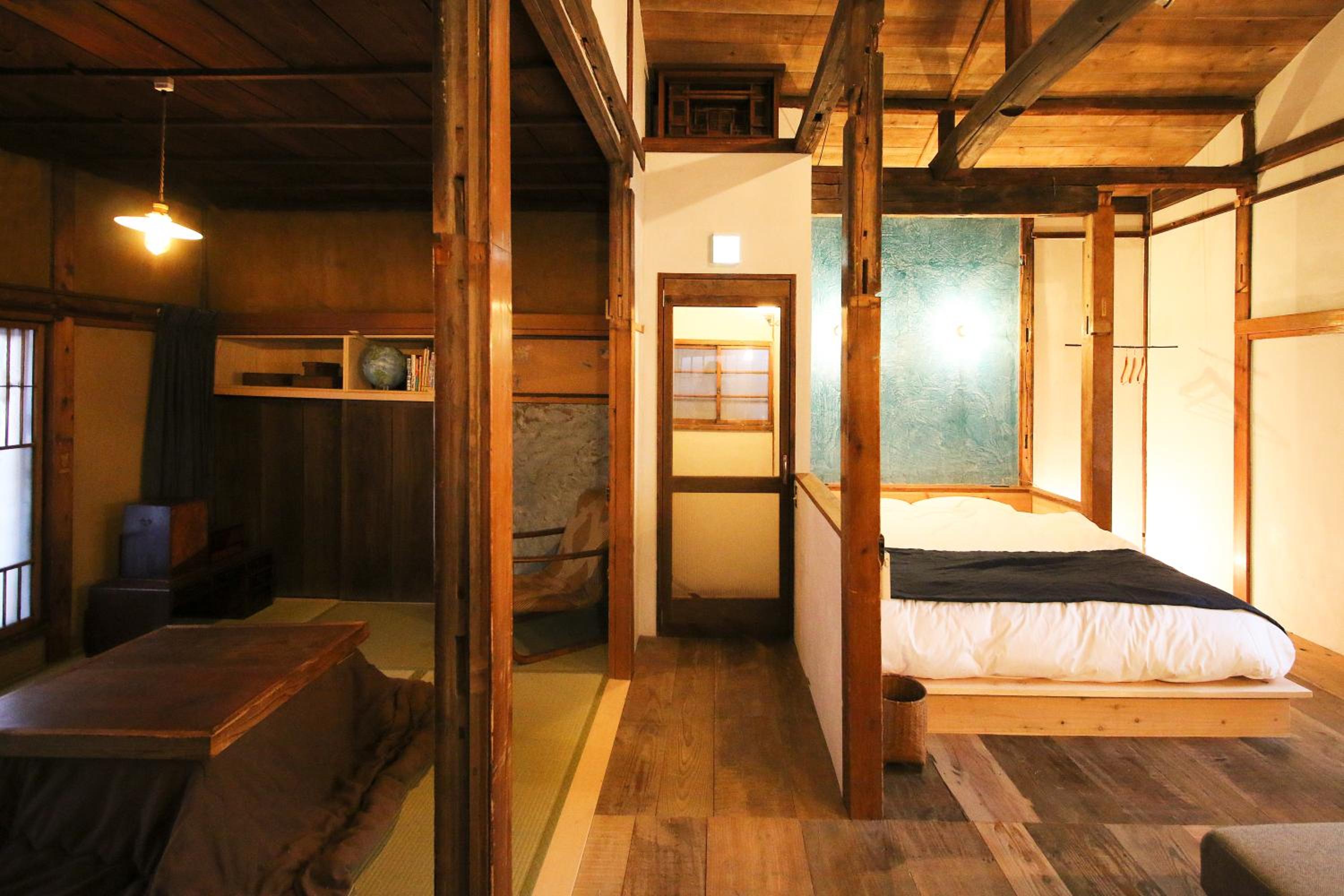
Apartment
1 × Sofa bed / 1 × Queen bed / 2 × Futon Mat36 ㎡up to 4
Boasting a private entrance, this air-conditioned apartment includes a kitchenette, 1 bedroom and 1 bathroom with a shower and a bidet. The well-equipped kitchenette has a stovetop, a refrigerator, kitchenware and an oven. The apartment has tatami floors, a sofa, a washing machine, a tea and coffee maker as well as city views. The unit has 2 beds and 2 futons.
Rates / book on FlyerTrip →F
Facilities · 27
All facilities & services listed by the hotel (aggregated across sources).
Guest education on local ecosystems and cultureAir conditioningFamily roomsLuggage storageStaff adhere to local safety protocolsGuest rooms disinfected between staysCleaning standards that are effective against CoronavirusPhysical distancing rules followedHand sanitizer in guest room and key areasCashless payment availableFire extinguishersFirst aid kit availableContactless check-in/check-outInvoice providedGuests can opt-out any cleaning services during staySmoke alarmsShared stationery like menus, pens are removedGuest room sealed after cleaningProcess in place to check health of guestsSecurity alarmThermometers for guests provided by propertyKey card accessInternet accessFree wired internetGuest education on local ecosystems and cultureNon-smoking roomsNon-smoking throughout
N
Nearby & map
DiningSights
1
Akanezaka Onuma
Japanese · ★ Michelin
¥¥¥
The chef grew up eating vegetables from the family garden in Yamagata and the restaurant is the fulfilment of a dream that one day he would serve cuisine made with vegetables grown by his parents. Deep-fried tofu leavened with those veggies brings the seasons of his hometown to the table. His affection for his ingredients inspired him to prepare kombu soy sauce for his sashimi, reusing the kombu from the soup stock. Akanezaka, the older name for Akasaka meaning ‘Red Hill’, conjures crimson associations of sunrise and sunset.
78m
2
Akasaka Kikunoi
Japanese · ★★ Michelin
¥¥¥
To spread the joy of Kyoto cuisine beyond the ancient capital, Kikunoi opened a Tokyo branch. Guests are warmly greeted with cheerful calls of ‘Oide-yasu!’, a traditional welcome in the Kyoto dialect. While located in central Tokyo, the mood, taste and feel of the restaurant are pure Kyoto. Yearly events are woven into the menu, and eye-catching dishes served on brilliantly decorated plates. Western ingredients are included too, expressing contemporary flavours. An attractive feature is the choice of tatami mat or counter seating, combining the charms of ryotei and kappo.
566m
3
La Gloire
French · ★ Michelin
¥¥¥
Black-and-white photos of the palace of Versailles adorn the walls; the palace symbolises the era when France was at the height of its splendour, and pays homage to the restaurant’s name, which means 'glory'. Paying respect to the development of French cuisine from the dishes favoured by the royal court, the chef adds a modern twist with his own hand, blending classic influences with contemporary elements. The pairings of international wines are another reflection of his modern sensibility.
217m
4
MAZ
Innovative · ★★ Michelin
¥¥¥¥
This gustatory experience is a journey through Peru. The menu features the culinary traditions of the Andes and the ecosystem of the Amazon basin. Each menu item lists the producing region and, uniquely, its elevation. Taking these altitudes as a guide, the meal traces a route through sea, mountain and river, weaving a tale of diverse natural environments. Dried foods from Peru combine with Japanese ingredients to bring forth a cuisine that is richly imaginative.
711m
5
Sumibikappo SHIROSAKA
Japanese · ★ Michelin
¥¥¥
The chef’s gastronomic experience includes stints in Sydney and New York. The creative flair he acquired along the way finds expression in the imaginative freedom of his menu. Appetiser of sea urchin and tuna is paired with caviar. Hassun platters incorporate unique choices such as spring rolls and roasted pork fillet. Broiled seafood and grills of eel and wagyu are accented by the aroma of bincho charcoal. The meal wraps up with handmade soba or rice in clay pots available on request.
383m
6
Akasaka Shimabukuro
Japanese · ★ Michelin
¥¥¥¥
The Chinese character for ‘food’ combines the characters for ‘person’ and ‘good’, hence the saying of Akasaka Shimabukuro, ‘food makes us better’. With gratitude for the bonds he forms with guests and those around him, the chef follows his own culinary path. The mellow flavour of the clear broth used in wanmono derives from shaved bonito flakes. Soba with dried mullet roe, interposed between menu items, and juwari soba, served at the end, are house creations using native species of buckwheat. The calligraphy on the wall says ‘go-en’, ‘personal connections’, echoing the restaurant’s whole-heart
386m
7
Kioicho Fukudaya
Japanese · ★★ Michelin
¥¥¥¥
The totality of this ryotei’s art—the cuisine, the ceremonial furnishings, the service—makes a deep impression. The original owner-chef learned the basics of cooking under the guidance of legendary epicure Kitaoji Rosanjin. The current chef, guardian of the traditions of the Fukuda family, displays his talents with creations that delight guests, squarely focused on respect for ingredients. He puts into practice Rosanjin’s famous dictum: ‘Eight or nine times out of ten, the quality of the ingredients selected determines the quality of a dish.’
798m
8
Kanda
Japanese · ★★★ Michelin
¥¥¥¥
A noren of Tokushima indigo, Tokushima sakes, fish from Naruto and Awa beef make Hiroyuki Kanda’s roots clear. Selecting ingredients carefully and applying minimal preparation is Kanda’s style of cooking. For example, rice should be cooked to perfection, each grain distinct, with small holes like crab burrows dotting the surface. The chef’s motto is ‘subtle flavour is true flavour’, and it is in the subtle flavours that depth of character is known.
1.2km
1
2
3
4
5
6
7
8
Click a row to locate it · distances are approximate. Data from Overture / Michelin / Wikidata.