Taro's Hostel Minami Koshigaya
·Hotels
Air conditioningAdult onlyStaff adhere to local safety protocolsGuest rooms disinfected between staysCleaning standards that are effective against CoronavirusHand sanitizer in guest room and key areasAll 16 facilities +
No checkout or paid ranking here — commission never drives content.
Book on FlyerTrip →R
Room types · 2
Room photos, bedding & descriptions; live rates & booking live on FlyerTrip (no checkout here).
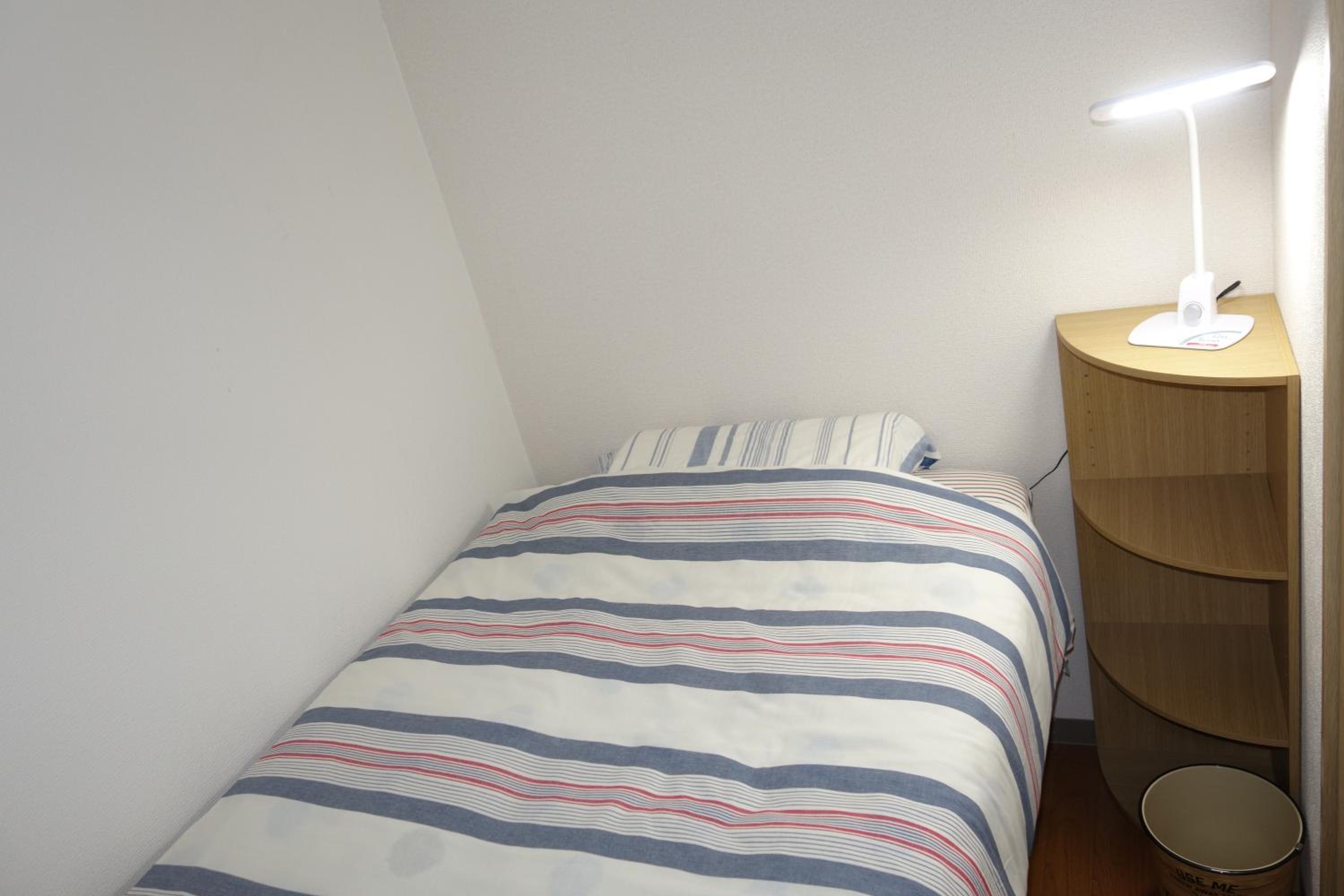
Single Room with Shared Shower and Toilet
1 × Twin bed3 ㎡up to 1
The single room offers air conditioning, a washing machine, as well as a shared bathroom featuring a shower and a bidet. The unit offers 1 bed.
Rates / book on FlyerTrip →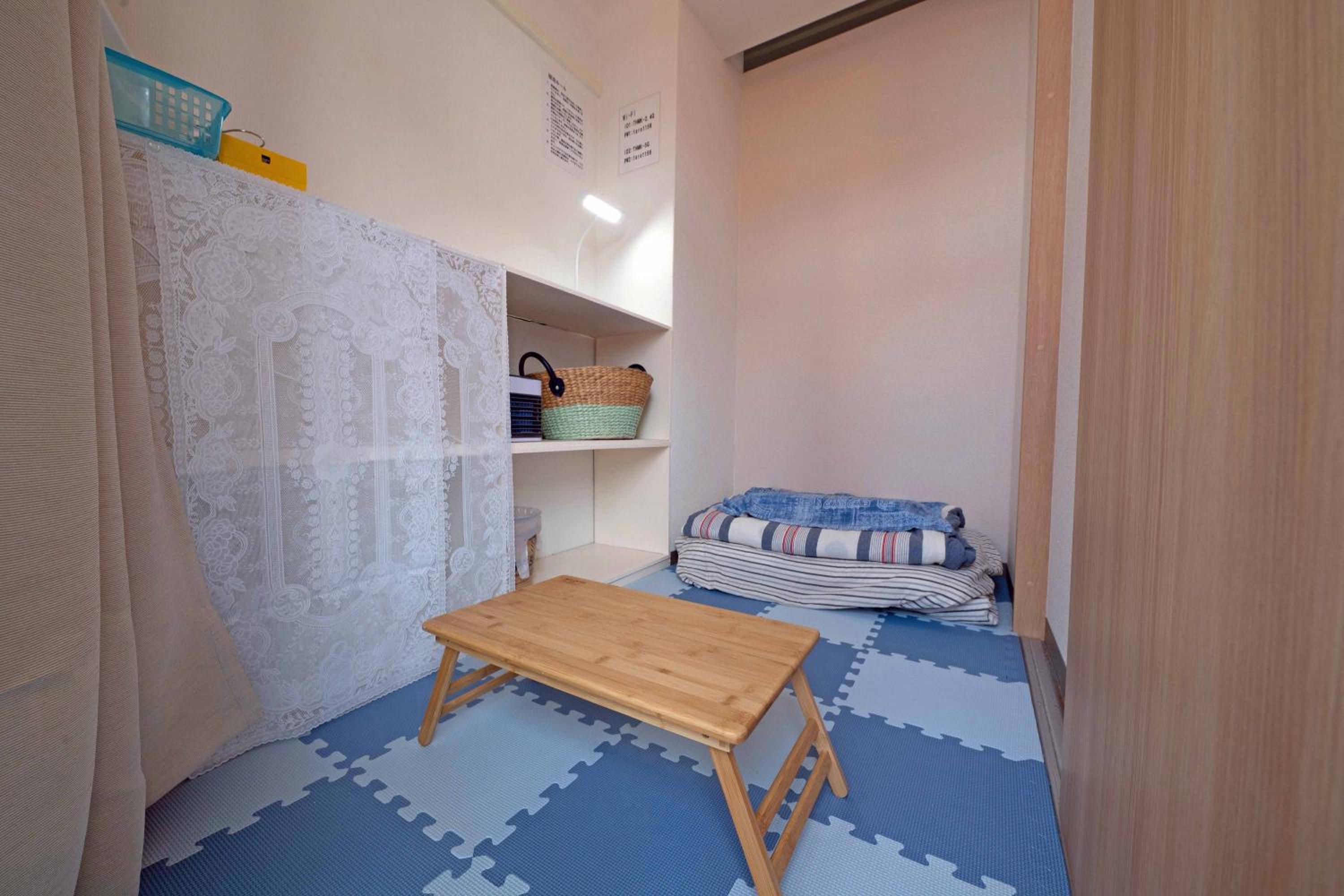
Single Room with Shared Toilet
1 × Twin bed3 ㎡up to 1
The single room provides air conditioning, a washing machine, as well as a shared bathroom featuring a shower and a bidet. The single room offers an electric kettle and a balcony. The unit offers 1 bed.
Rates / book on FlyerTrip →F
Facilities · 16
All facilities & services listed by the hotel (aggregated across sources).
Air conditioningAdult onlyStaff adhere to local safety protocolsGuest rooms disinfected between staysCleaning standards that are effective against CoronavirusHand sanitizer in guest room and key areasCashless payment availableFire extinguishersContactless check-in/check-outGuests can opt-out any cleaning services during staySmoke alarmsInternet accessTelevision in common areasFree wired internetNon-smoking roomsNon-smoking throughout
N
Nearby & map
DiningSights
1
HOMMAGE
French, Contemporary · ★★ Michelin
¥¥¥¥
‘Simple and minimal’ is Noboru Arai’s guiding philosophy, grounded in precision. Using few ingredients and minimal seasoning, he pursues a refined, elegant expression of French cuisine. He communicates regularly with chefs of other countries, borrowing from a wide range of culinary cultures in search of originality. While French in spirit, the proprietress greets guests in kimono—an Asakusa touch that reflects the charm of Tokyo’s traditional downtown.
17.7km
2
Oku
Sushi · ★ Michelin
¥¥¥
Asakusa is a second hometown for the chef, who has lived here since his apprenticeship. He inherited both spirit and skill, along with tools and serving ware, from his mentor. He reveres the old teachings of the sushi world but does add a few twists of his own. He adds sweet potato shochu to rich soy syrup; to rolled omelette, he adds soy milk. The character for the chef’s surname of ‘Oku’ developed from a combination of the characters for ‘house’, ‘rice’ and ‘palm of hand’; a sign, he contends, that he was destined to run a place where he would fashion rice meals with his hands.
17.7km
3
Ittoan
Soba · Bib
¥
The chef helps out on farms all over Japan, forming bonds of trust with farmers. If you’re interested in the differences among various kinds of soba, we recommend the ‘Sanshu Seiro’, three kinds of soba served on a wickerwork tray. He grinds and kneads each soba differently according to type and region of origin, so the character of each shines through. Sometimes, the chef says, he mixes coarse-ground and fine-ground soba from the same region. His tireless curiosity yields a never-ending variety of flavours.
13.8km
4
Nabeno-Ism
French · ★ Michelin
¥¥¥¥
Black, white and orange are the tricolore of ‘Watanabe-ism.’ Black represents faith that cannot be tainted; white, the freedom to become any colour; and orange, the flame manipulated by the chef. On offer here is a fusion of French and Edo food cultures. Sobagaki is emulsified using French techniques; local Japanese elements include kaminari-okoshi, a roasted and flavoured mochi cracker; and monaka, a sweet of azuki bean paste sandwiched between crisp wafers. Watanabe-ism has deep roots in Asakusa-Komagata.
19.0km
5
Guchokuni
Japanese · ★ Michelin
¥¥¥¥
Rooted in the fundamentals of Japanese cuisine, the chef brings individuality to simple presentations. Ingredients arrive from his native Nagano. Sarashina soba from Matsumoto is paired with seasonal produce, while Koshihikari rice from northern Nagano is prepared as takikomi-gohan. The meal concludes with a tomewan, a closing soup, enriched with Shinshu miso. The restaurant’s name is the credo his mentor left him, to cook with ‘simple honesty’, an approach that shines through in every dish.
19.9km
6
Tanimoto
Japanese · ★ Michelin
¥¥¥¥
Amid the refinement of a dignified tea arbour, the chef cooks with sincere devotion. His attentiveness derives from his early work at a ryotei, where he was a doorman in charge of footwear. Tanimoto’s forte is charcoal grilling, preparing each ingredient with the strictest attention. The meal ends with a generous lineup of various rice dishes including, white rice, takikomi-gohan and chazuke, followed by tea poured by the chef himself. The spirit of graceful service brings satisfaction to the depths of the soul.
20.0km
7
Sugita
Tonkatsu · Bib
¥
‘Tonkatsu is food for the masses’, explains the second-generation chef, as he aims to serve up fare that is familiar and comforting. Copper pots polished till gleaming and plain wooden counters display a craftsman’s spirit. Two pots are used: one containing hot oil and the other cooler oil. Pork loin is shorn of extra fat and thinly battered. Tonkatsu is the star attraction, so no meat is added to the pork miso soup. As the chef works, a photo of his father in chef’s whites watches over him.
19.0km
8
KOKYU
Contemporary
¥¥¥
A genre-defying cuisine paired with tea-based cocktails. While rooted in French techniques, the chef seamlessly weaves in elements of Chinese and Japanese cuisine. The duck dish, for instance, is prepared by ladling hot oil over the skin, much like Peking duck. The tradition of serving tea and sweets after a meal, known as ochauke, reflects Japanese hospitality. Chef and mixologist work in harmony, refining the distinctive world of ‘wither and decay’ or ‘kokyu’.
19.3km
1
2
3
4
5
6
7
8
Click a row to locate it · distances are approximate. Data from Overture / Michelin / Wikidata.