NEXUS HOTEL Gotanda
·Apartments
Air conditioningFamily roomsOutdoor furnitureStaff adhere to local safety protocolsGuest rooms disinfected between staysCleaning standards that are effective against CoronavirusAll 23 facilities +
04
Guest scores & sentiment
From — guest reviews · multi-source
Dimension scores · cross-source
Location9.4
Cleanliness9.2
Surroundings9.2
Rooms9.0
Service9.0
Value8.8
Facilities8.8
Wi-Fi5.0
No checkout or paid ranking here — commission never drives content.
Book on FlyerTrip →R
Room types · 1
Room photos, bedding & descriptions; live rates & booking live on FlyerTrip (no checkout here).
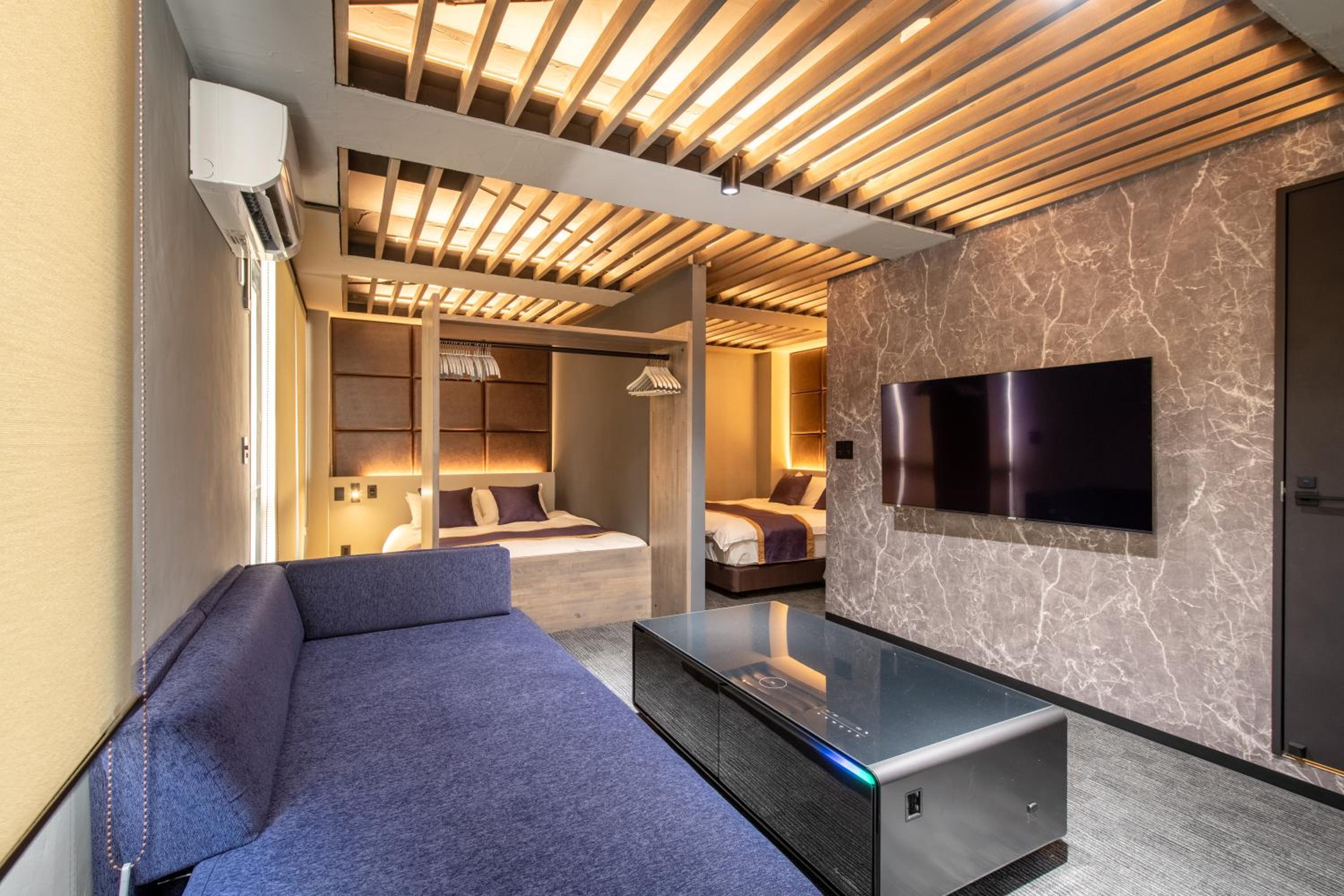
One-Bedroom Apartment
1 × Double bed / 1 × Extra-large double bed (Super-king size) / 1 × Sofa bed48 ㎡up to 5
This air-conditioned apartment includes 1 living room, 1 separate bedroom and 1 bathroom with a bath. The well-fitted kitchen has a stovetop, a refrigerator, kitchenware and an oven. This apartment features a washing machine, a mini-bar, a flat-screen TV and a balcony. The unit has 3 beds.
Rates / book on FlyerTrip →F
Facilities · 23
All facilities & services listed by the hotel (aggregated across sources).
Air conditioningFamily roomsOutdoor furnitureStaff adhere to local safety protocolsGuest rooms disinfected between staysCleaning standards that are effective against CoronavirusPhysical distancing rules followedFire extinguishersContactless check-in/check-outGuests can opt-out any cleaning services during staySmoke alarmsShared stationery like menus, pens are removedGuest room sealed after cleaningProperty cleaned by professional cleaning companiesCCTV outside propertyAccess to health care professionals24-hour securitySecurity alarmInternet accessTelevision in common areasFree wired internetNon-smoking roomsNon-smoking throughout
N
Nearby & map
DiningSights
1
Quintessence
French, Contemporary · ★★★ Michelin
¥¥¥¥
The name comes from Shuzo Kishida’s passion for discovering the true essence of French cuisine. The chef pursues his quest through three processes: ingredients, flame and seasoning. For Kishida, ‘ingredients’ means deep respect for food producers, common to all aspects of cooking; ‘flame’ means flame-handling that is finely attuned to the fish or meat at hand; and ‘seasoning’ is flavouring that is tailored to each ingredient. The soul of cooking lies in this trinity. The white spaces on the menu leave space for your imagination.
638m
2
Jizozushi
Sushi · ★ Michelin
¥¥¥¥
The name derives from an image of a Jizo, the guardian spirit who looks over children, which the chef received from a Buddhist temple. The character for ‘sushi’ is an unusual choice, harking back to the fermented fish from which modern nigirizushi originated. The chef is deeply interested in literature and the classics. As snacks were not part of a sushi shop’s menu in the days of food stalls, the chef presents the range of toppings available before starting to form his sushi. Gizzard shad is moulded in the shape of the Edo-era Katsuyama hairstyle. In a relic of traditional practice, shrimp on
1.1km
3
Tempura Ginya
Tempura · ★ Michelin
¥¥¥¥
The chef has devoted his life to the path of the tempura craftsman. He watches his pot in silence, focusing on the sound of the oil. Frying his tempura on high heat, he teases out moisture to concentrate the flavour. Creative flourishes are avoided, letting the deliciousness of ingredients in season speak for itself. Batter thickness and flame heat are continually adjusted to produce a light and airy tempura. A traditional Japanese tea-house carpenter created the interior, transforming it into a graceful space.
1.2km
4
Alchimiste
French, Contemporary · ★ Michelin
¥¥¥
The pet theory here is that French cuisine does not add but multiplies: dishes are the product, not the sum, of their ingredients. The speciality is an espuma of sea urchin and Jerusalem artichoke, which is replaced with onion during summer. Food from sea and mountain mix, aiming at just the right temperature to melt in the mouth. To ensure consistency, vegetables are harvested from the chef’s own garden. Financier, served after the meal, offers a wry nod to the restaurant’s name, with a play on both the pastry and the financier as one who benefits from gold, echoing the alchemist’s quest to t
1.2km
5
Joël Robuchon
French, Contemporary · ★ Michelin
¥¥¥
For Joël Robuchon, ‘emperor of French cuisine’, this eponymous restaurant is the jewel in the crown of the company. Kenichiro Sekiya, recipient of the prestigious Meilleurs Ouvriers de France (MOF) and heir to both the spirit and cuisine of his famous mentor, uses Japanese ingredients to breathe new life into French gastronomy. His interpretation of Le Caviar Imperial evolves from generation to generation. Even the trolley service is the pinnacle of luxury. A table of magnificence as befits the hall of the emperor.
2.0km
6
ShinoiS
Chinese · ★ Michelin
¥¥¥¥
The chef, once dedicated solely to Cantonese cuisine, expanded his repertoire as he honed his craft in Hong Kong and Shanghai. Prix fixe menus incorporate traditions from regions across China, using ingredients selected from a broad purview. The chef focuses not only on seasoning but also on the natural flavours of the ingredients; dried abalone simmered in water alone testifies to his conviction. After dinner the chef serves Chinese tea, conveying gratitude to guests as he converses with them.
1.4km
7
Sanwa
Italian
¥¥¥
‘Sanwa’ means ‘three-part harmony’: between producers, chefs and guests. The menu lists producers by name, linking them to guests through the chef. Prix fixe service begins with dry-cured ham and gnocco fritto. Meat dishes include venison and beef, both char-grilled. The meal ends with a pasta dish, as per convention. Sanwa exerts special effort to make each dish impressive, so the number of main ingredients is limited to three—a three-part harmony on the plate.
1.3km
8
Sazenka
Chinese · ★★★ Michelin
¥¥¥¥
Tomoya Kawada sees cooking as a reconciliation between nature and humanity. He names his approach Sazenka, which literally means ‘tea-Zen-Chinese’, out of a desire to create Chinese fare that mediates between the worlds of tea and Zen. His cuisine harmoniously combines the techniques he learned in China with the soul and spiritual features of Japan – ‘wakon-kansai’ is the theme. Japanese ingredients in season are used in spring-roll fillings and Sichuan stir-fries, lending a seasonal dimension to Chinese cuisine.
2.5km
1
2
3
4
5
6
7
8
Click a row to locate it · distances are approximate. Data from Overture / Michelin / Wikidata.